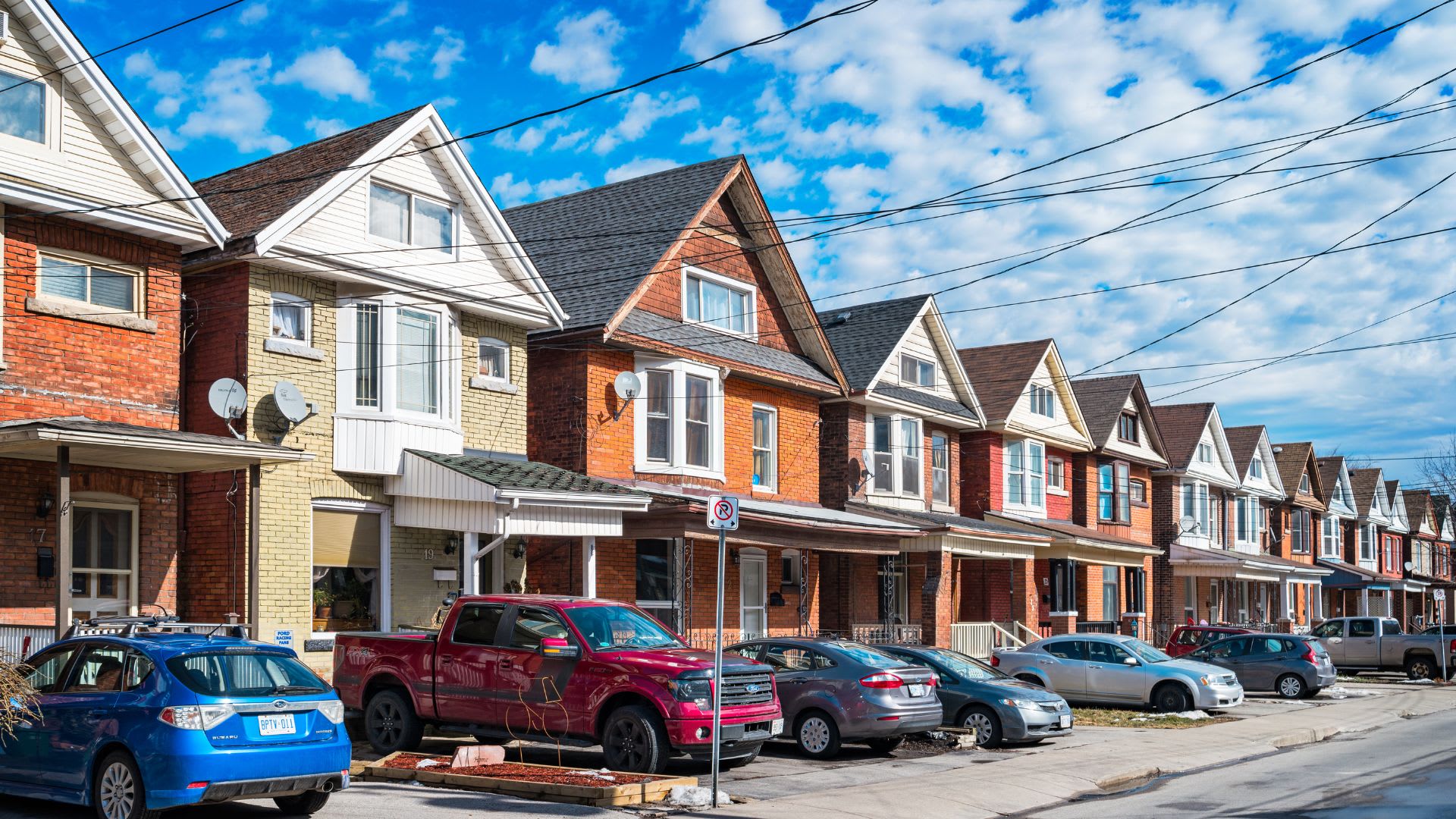
Condo ownership is its own category of homeownership, with rules, costs and responsibilities that differ from owning a freehold house. When you buy a condo, you take title to the interior of your unit, share ownership of the common elements with every other owner and become bound by the rules and bylaws of the condo corporation. Buying a condo also means joining a community of owners who collectively pay for the building’s long-term upkeep through monthly fees and, sometimes, through one-time special assessments.
Quick Answer
What Is Condo Ownership in Canada?
Condo ownership in Canada is a form of homeownership in which you hold title to your individual unit and share ownership of the building's common elements with every other owner. Condo owners pay monthly condo fees, follow the condo corporation's declaration, bylaws and rules and elect the board that manages the building and its reserve fund.
Key Takeaways
- Condo ownership in Canada gives you title to your unit (often described as the airspace inside your walls) plus a share of the building's common elements.
- Buying a condo involves additional steps beyond a freehold purchase, including reviewing the status certificate, condo bylaws and reserve fund study.
- Reviewing reserve fund info is one of the most important steps in any condo purchase because the reserve fund covers major repairs and replacements over the life of the building.
- Condo boards are made up of elected unit owners who manage the corporation's finances, set rules and hire property managers and contractors.
- Condo rules govern day-to-day life in the building, covering pets, short-term rentals, noise, renovations and use of common amenities.
- Special assessments are one-time charges levied on owners when the reserve fund cannot cover a needed repair or replacement.
Condo Ownership in Canada
A condominium is a form of property ownership in which you hold individual title to a defined unit and share ownership of the building’s common areas with every other owner. Condominium ownership is governed by provincial or territorial legislation, along with the condo corporation’s declaration, bylaws and rules. For a primer on the differences between condos and apartments, see our piece on the difference between condos and apartments.
You Own the Air Space, Not the Building
Condo ownership in Canada is sometimes described as owning the airspace inside your unit. The exterior walls, windows, balconies, hallways, lobbies, parking garages, elevators, mechanical rooms and roof are usually common elements owned collectively by all unit owners. What you actually own is the interior space defined by your unit boundaries, plus your share of the common elements. This is one of the largest practical differences between owning a condo and owning a house.
Common Elements and Exclusive-Use Common Elements
Common elements are areas shared by every owner: lobbies, hallways, recreation rooms, mechanical rooms, the roof and the building structure. Exclusive-use common elements are technically common property but are reserved for the use of a specific unit, such as a balcony, parking spot or storage locker. Maintenance and repair of exclusive-use common elements is usually shared between the owner and the corporation, with the split defined in the declaration.
Who Maintains What in a Canadian Condo?
Select a category to see what it usually includes.
Your Unit
Your unit is the interior space inside the unit boundaries defined in the condo corporation's declaration. The owner usually maintains everything inside those boundaries.
- Paint, flooring and interior finishes
- Cabinets, countertops and appliances
- Fixtures and outlets inside the unit
- Often, systems that serve only your unit, such as an in-suite water heater
Exclusive-Use Common Elements
Exclusive-use common elements are technically common property but are reserved for the use of a specific unit. Maintenance is usually shared between the owner and the corporation, with the split defined in the declaration.
- Balconies and terraces
- Assigned parking spots
- Storage lockers
Common Elements
Common elements are the spaces and building components shared by every owner. The condo corporation maintains them, and condo fees pay for them.
- Roof, exterior walls and building structure
- Lobbies, hallways and elevators
- Mechanical rooms and shared building systems
- Parking garages, recreation rooms and shared amenities
Responsibilities vary by building and province. The condo corporation's declaration defines unit boundaries and who maintains each part of the property.
How to Buy a Condo
Step 1: Get Preapproved for Financing
Most lenders treat condo mortgages slightly differently from freehold mortgages. They require the same income and credit verification, but they also factor in your monthly condo fees when calculating your debt service ratios. Get preapproved before you start touring units, so you know how condo fees affect your borrowing power.
Step 2: Tour Buildings and Compare Fees
Walk through several buildings before settling on one. Pay attention to the condition of the lobby, hallways, elevators and amenities, since they say a lot about how well the building is managed. Compare condo fees relative to building age, amenities and unit size.
Step 3: Make a Conditional Offer
Most condo offers in Canada include a conditional clause requiring the buyer’s lawyer to review the status certificate within five to ten business days. The clause protects you if the certificate reveals problems with the corporation’s finances or pending special assessments.
Step 4: Review the Status Certificate
The status certificate is a snapshot of the condo corporation’s legal and financial state. It includes the corporation’s budget, reserve fund balance, current condo fees, any pending or planned fee increases, any pending lawsuits and any active or upcoming special assessments. Your lawyer will review the certificate alongside the bylaws and rules and flag anything that should concern you.
Status Certificate and Condo Document Checklist
Check off each document as you and your lawyer review it during the conditional period.
0 of 8 documents reviewed
For planning purposes only. Document names vary by province. Ask your agent and a real estate lawyer to review the full package.
Step 5: Close With Your Lawyer
Closing on a condo follows the same legal process as a freehold home, with your lawyer registering the title and mortgage, transferring funds and confirming any property taxes are current.
Reviewing Reserve Fund Info Before You Buy
The reserve fund is a savings account managed by the condo corporation to pay for major repairs and replacements over the life of the building. It is funded by a portion of every owner’s monthly condo fees and is held in a separate account from the corporation’s operating funds. Reviewing reserve fund info is an important step in your condo purchase because the strength of the reserve fund directly affects your future costs.
What a Reserve Fund Study Tells You
Reserve fund study requirements vary by province, including how often studies or similar financial assessments must be completed. The study projects the corporation’s major expenses over the next 30 years (roof replacement, window replacement, mechanical system overhauls and parking garage repairs) and recommends a contribution schedule to keep the fund adequately funded. A healthy reserve fund tracks closely to the study’s recommendations.
Red Flags in the Reserve Fund
Watch for the following warning signs when reviewing reserve fund info:
- Reserve fund balance is well below the level recommended by the most recent study
- Condo fees that have stayed flat for many years while the building ages
- Recent or pending special assessments tied to repairs that the reserve fund should have covered
- Major upcoming projects (roof, mechanical, garage) without a clear funding plan
- Litigation involving the corporation that could lead to financial obligations
Condo Boards and How They Work
Condo boards are made up of unit owners elected by their fellow owners to manage the affairs of the corporation. Boards are responsible for hiring property management, maintaining the building, setting and enforcing rules, preparing the annual budget and making decisions about reserve fund contributions and special assessments.
Who Sits on the Condo Board
Boards usually have three to seven directors, elected at the annual general meeting (AGM). Any unit owner in good standing can run for the board. Boards in larger buildings often hire a professional property management company to handle day-to-day operations, while smaller buildings may be self-managed.
What the Board Decides
Boards approve the annual budget, set monthly condo fees, hire and oversee contractors, enforce condo rules and respond to owner concerns. Major decisions, such as substantial rule changes or special assessments above a certain threshold, may require approval by a vote of all owners at the AGM or a special meeting.
Condo Rules and Bylaws
Condo rules and bylaws govern day-to-day life in the building. Bylaws are part of the corporation’s governing documents and require an owner vote to change. Rules are set by the board and can usually be changed without an owner vote, although owners may request a meeting to review or repeal a rule.
Pet Rules
Pet rules vary widely. Some buildings allow no pets, others restrict pets by size or breed and many limit the number of pets per unit. If you have a pet, confirm the rules in writing before you make an offer.
Short-Term Rental Restrictions
Many condo corporations now prohibit or tightly restrict short-term rentals like Airbnb, often requiring a minimum lease term of 30 days, six months or one year. If you plan to rent your unit, even occasionally, confirm what is allowed before you buy.
Renovations and Alterations
Most condo corporations require board approval for any renovation that affects common elements, plumbing, electrical or structural elements. Cosmetic changes inside the unit (paint, flooring, cabinetry) usually do not require approval, but the rules vary by building, and you should always check before you start work.
Special Assessments
A condo special assessment is a one-time charge levied on owners by the condo corporation when the reserve fund cannot cover a needed repair or unexpected expense. Special assessments can range from a few hundred dollars to tens of thousands of dollars per unit.
When Special Assessments are Issued
Special assessments are typically issued when major repairs arise sooner than expected, the reserve fund has been underfunded for years or an emergency repair (a major leak, garage damage or fire damage) requires immediate funding. They can also follow a successful lawsuit against the corporation or an insurance shortfall.
How to Reduce the Risk of a Special Assessment
You cannot eliminate the risk, but you can reduce it by buying into a building with a healthy reserve fund, well-maintained common elements, an engaged board and recent reserve fund studies that show funding tracking the recommendations. Avoid buildings with chronically low condo fees, deferred maintenance or unresolved building envelope issues.
Special Assessment Warning Sign Check
Check each statement that is true for the condo building you are considering.
0 of 6 statements checked
- 5 to 6 statements true: Fewer warning signs. Keep reviewing the status certificate and condo documents.
- 3 to 4 statements true: Some gaps. Ask the corporation and your agent about each unchecked item.
- 0 to 2 statements true: Several warning signs. Get answers on reserves and repairs before you firm up your offer.
This check does not predict whether a special assessment will be issued. It flags questions to raise with the condo corporation, your agent and a real estate lawyer.
Condo Fees and What They Cover
Condo fees fund the day-to-day operation of the building and contributions to the reserve fund. Most condo fees cover building insurance for common elements, maintenance and cleaning of common areas, water and sometimes heat, garbage and recycling, snow removal and landscaping, security, amenity operations and reserve fund contributions. They do not cover your unit’s utilities (in most cases), property taxes or interior maintenance.
Typical Costs of Condo Ownership in Canada
Typical ranges by cost. Amounts vary by province, city and building.
| Cost | Typical range | Who pays |
|---|---|---|
| Condo fees (monthly) | $0.50 to $1.20+ per sq. ft. | Each unit owner |
| Reserve fund contribution | Built into condo fees | Each unit owner |
| Property tax | Varies by municipality | Each unit owner directly |
| Special assessment | $500 to $50,000+ per unit (rare) | Each unit owner |
| Status certificate fee | $100 plus tax (regulated in some provinces) | Buyer or seller |
| Unit insurance | $300 to $700 per year | Each unit owner |
General guide only. The status certificate and the corporation's budget show exactly what a specific building's fees cover.
Condo Ownership Terms to Know
Select a term to see its definition.
Condominium
A condominium is a form of property ownership in which you hold individual title to a defined unit and share ownership of the building's common elements with every other owner.
Condo corporation
A condo corporation is the legal entity made up of all unit owners that maintains the common elements, collects condo fees and enforces the declaration, bylaws and rules. In British Columbia, the equivalent is called a strata corporation.
Declaration
A declaration is the registered legal document that creates the condo corporation, defines unit boundaries and sets out who maintains each part of the property.
Bylaws
Bylaws are the governing documents that set how the condo corporation operates, including board elections and owner meetings. Changing them requires an owner vote.
Condo rules
Condo rules are day-to-day policies set by the board on topics such as pets, noise, short-term rentals and use of amenities. They can usually be changed without an owner vote.
Common elements
Common elements are the parts of a condo property shared by every owner, such as lobbies, hallways, recreation rooms, mechanical rooms, the roof and the building structure.
Exclusive-use common elements
Exclusive-use common elements are common property reserved for the use of a specific unit, such as a balcony, parking spot or storage locker.
Condo fees
Condo fees are monthly payments owners make to the condo corporation to fund building operations, maintenance, common element insurance, some utilities and reserve fund contributions.
Reserve fund
A reserve fund is a savings account managed by the condo corporation to pay for major repairs and replacements over the life of the building.
Reserve fund study
A reserve fund study is a professional assessment that projects the corporation's major repair and replacement costs over the next 30 years and recommends a contribution schedule.
Status certificate
A status certificate is a document from the condo corporation that summarizes its legal and financial state, including the budget, reserve fund balance, condo fees, lawsuits and special assessments. Status certificate is the Ontario term, and other provinces use different names and forms.
Special assessment
A special assessment is a one-time charge levied on owners when the reserve fund cannot cover a needed repair or unexpected expense.
Condo board
A condo board is a group of unit owners elected by their fellow owners at the annual general meeting (AGM) to manage the affairs of the condo corporation.
Buy Your Next Condo With REMAX
A REMAX agent who knows your local condo market can help you compare buildings, identify red flags in status certificates and reserve fund studies and connect you with real estate lawyers experienced in condo law. Whether you are buying your first condo, downsizing into one or adding a unit to your investment portfolio, your REMAX agent will help you make a confident decision. Contact a REMAX Canada agent to get started buying your dream condominium.
FAQ
Are Condos a Good Investment?
Condos can be a good investment when bought in well-managed buildings in markets with steady demand. They typically appreciate more slowly than freehold houses, but they offer lower entry prices, easier maintenance and amenities that appeal to renters. The financial health of the corporation matters as much as the unit itself.
What Should I Look for When Buying a Condo?
When buying a condo, look beyond the unit itself to the financial and physical health of the building. Review the applicable condo documents, financial information, reserve fund information, bylaws and rules, board meeting minutes if available and any pending or recent special assessments. Pay attention to the condition of the lobby, hallways, elevators and amenities.
How Do I Review Reserve Fund Info?
Review the condo corporation's reserve fund information, including the current balance, applicable reserve fund study or financial assessment and contribution schedule. Requirements and terminology vary by province. A lawyer experienced in condo transactions can help identify potential concerns, including funding shortfalls that could contribute to future fee increases or special assessments.
What Do Condo Boards Do?
Condo boards manage the corporation's affairs. They may set the annual budget, approve condo fees, hire and oversee property management, enforce rules and make decisions about major repairs and reserve fund contributions. Some decisions may require owner approval, depending on the applicable legislation and governing documents.
What are Common Condo Rules in Canada?
Common condo rules may cover pets, short-term rentals, noise, renovations, smoking, use of amenities, parking, balcony storage and visitor policies. Rules vary widely by building, so always read the current rules before you buy.
What are Special Assessments?
A special assessment is a one-time charge levied on condo owners to cover expenses that cannot be adequately funded through the corporation's existing budget or reserve fund. The amount depends on the expense and the corporation's financial position.
Can I Rent Out My Condo?
Many condo corporations allow long-term rentals, while others impose rental restrictions or requirements. Short-term rentals may also be restricted by condo rules and local regulations. Check the corporation's current declaration, bylaws and rules before assuming you can rent your unit.