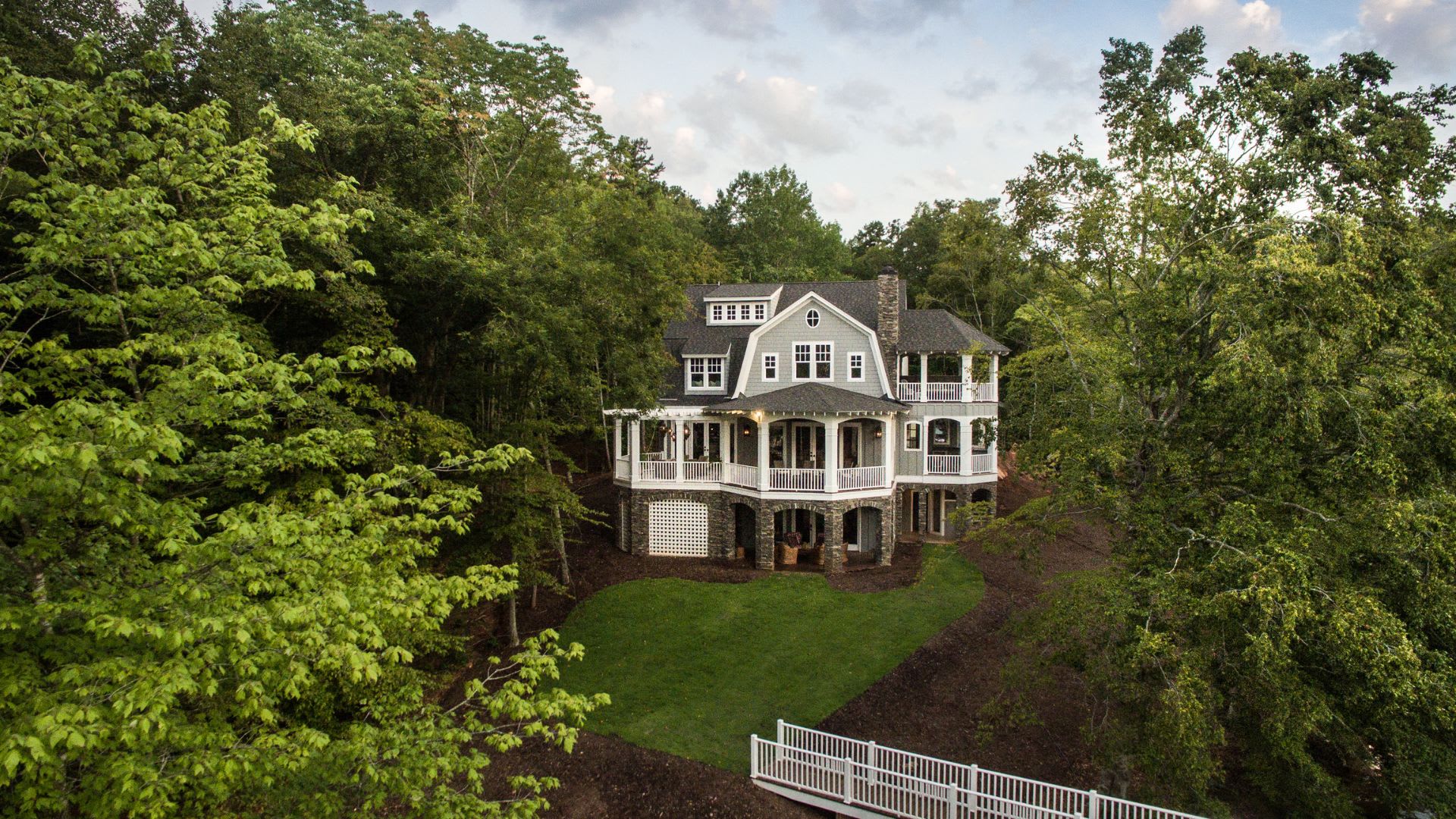
Buying a vacation place can create lasting memories or strain your finances, so make the decision with a clear head. Even solid plans can shift with bylaws, access limits, weather, interest rates and insurance terms. Define what you want the vacation home to do, verify rules and total costs, and stress test your budget before you commit. This guide helps you weigh the essentials for buying a vacation home so your investment is worthwhile.
What to Know Before Buying a Vacation Home in Canada
Your Purpose: Retreat, Rent or Both
Decide how the cottage serves your life. If it is for personal use, focus on comfort, access and low stress. If you might rent later, choose an area with friendly rules and plan storage for your own items. Write down who will visit, how often and in which seasons. Clear intent shapes every choice that follows and keeps buying a vacation home on track.
Travel and Access
Measure real travel time on busy weekends and holidays, not just on a map. If the trip feels long now, it will feel longer later. For personal use, you want a route your family will repeat often and dependable winter plowing. For renting, you want simple self-check-in, clear parking and routes that work for late arrivals because access problems turn into bad reviews.
Property Type: Cottage vs Condo vs Chalet
If you plan to buy a vacation home, pick a format that fits both family routines and guest stays. A standalone cottage offers privacy and storage but needs more hands-on care and longer turnovers. A condo or townhouse is easier to lock and leave, yet bylaws can restrict short stays and add monthly fees. A chalet near a hill can pull strong winter demand and steady summer hikers, but peak dates mean crowding and tighter rules on parking and noise.
Year-Round Comfort
Confirm insulation, window quality and reliable heating so deep cold does not derail a weekend. Add cooling where summers run hot since guests expect it. Plan drying space for ski gear and a spot for sandy towels so both winter and summer visits stay smooth. Reliable climate control keeps your family comfortable and improves reviews, boosting vacation home rentals.
Money Picture
When you decide to buy a vacation home, plan the full-year costs for mortgage, taxes, insurance, utilities and routine service. Expect a down payment of at least 20% on a second property if you will rent it, unlike the 5% minimum on a first principal residence. Add closing costs and setup items to your upfront cash. Keep a reserve equal to 1% to 3% of the property value for repairs. Include cleaning per turnover, platform fees and any manager cut, then test conservative rates and occupancy. If you block personal weeks, count the income you give up so cash flow still works when rates rise.
Know What Is Allowed
Read zoning, licensing and any condo or strata bylaws before you offer. Some areas cap nights, limit guest counts or require a permit. Title items like deeded access, shoreline road allowances and private road agreements affect daily use and marketability. If rentals are part of your plan, compare rules and demand across example markets such as vacation home rentals on Vancouver Island, PEI vacation home rentals and vacation home rentals in Edmonton so you set realistic expectations.
Utilities and Water
Verify power capacity, heating type and internet speed. Families need dependable Wi-Fi for work and streaming, and guests will rate you on it. For wells or lake intake, test water flow and quality and learn filtration and winterizing steps. Inspect septic age and capacity because frequent turnovers add load, and failures are costly.
Safety and Security
Install smoke and CO alarms on every level and keep extinguishers in obvious spots. Use smart locks to enable self-check-in and easy access for trades without hidden keys. Follow local rules for hot tubs and fire pits, and post clear house rules to prevent noise or safety issues. Many insurers require winter check-ins, so set a schedule that protects both family use and guest stays.
Maintenance Plan
Create a calendar for spring open, mid-season tune-ups and winter close. Line up a cleaner, handyman, HVAC tech and snow or lawn service, plus backups. For renting, add quarterly deep cleans and hot tub service if you have one. After storms, arrange a site check so small issues do not become cancellations or expensive repairs.
Community and Services
Walk the area at different times to gauge noise, traffic and how busy amenities feel. For family time, you want beaches, trails, clinics and groceries within a practical reach. For renting, you also need parking that matches guest counts and services that align with turnover days. This helps you identify the best place to buy a vacation home for your needs.
Future Flexibility
Design for personal comfort and occasional guests so you can pivot as life changes. Choose durable finishes, add a locked owner closet and furnish with layouts that photograph well and sleep predictable numbers. Keep records of improvements and appliance ages so you can hand a clean file to buyers or managers later.
Exit And Resale
Target features that appeal to owners and investors, such as year-round access, efficient systems and a practical floor plan. If you rent, maintain clear financials, permits and vendor contacts since a transferable operation can raise buyer interest. If you do not rent, keep service logs and manuals so the next owner sees a well-cared-for property.
Frequently Asked Questions on Vacation Home Rentals
What costs do owners miss?
Seasonal road fees, septic maintenance, water treatment supplies, chimney cleaning, pest control and higher winter heating add up. Remote areas can have call-out fees for trades and longer waits. Budget money and time so the cottage stays a joy and the vacation home remains affordable.
What taxes will I owe on rental income and at sale?
You must report rental income and keep receipts for related expenses. If your revenue passes the small supplier threshold in a 12-month period, you may need to register and charge GST or HST. When you sell a second property, capital gains tax can apply. Track personal use days and improvements to support filings.
Do I have guaranteed year-round legal access and shoreline rights?
Many cottages sit on private or seasonal roads. You need a registered road agreement that states who maintains the road and who pays. Ask if winter plowing is arranged and what it costs. Check the title for deeded access and any shoreline road allowance that could affect your dock. Confirm permits for docks and stairs so use is legal now and later.
What is the real water and septic situation?
Most cottages are off municipal services. Test well flow rate, potability and price filters and UV treatment. If water comes from the lake, confirm intake depth and winterizing steps. Inspect the septic tank, leach field, age and last pump date. Replacing a failed system is costly and needs permits, so you want proof it works today.
Will my insurance cover long absences and cottage features?
Many policies require someone to check the home at set intervals in winter. Missed checks can void burst pipe claims. Wood stoves and solid fuel heat often need inspection and written approval. Docks, sheds and small boats may need endorsements to be covered. Set up a local caretaker and basic sensors so you meet the policy terms.
Find the best place to buy a vacation home in Canada. REMAX pairs you with a local expert who brings real comps, bylaw checks and on-the-ground insights. Reach out and we will shortlist properties, schedule tours and negotiate your best outcome.