
Key Takeaways on Buying a Home in Canada
- Buying a home in Canada involves federal rules, provincial taxes, and local costs that vary widely by region.
- Budget beyond your down payment. Plan for deposits, closing costs, legal fees, and ongoing ownership expenses.
- Working with a licensed real estate agent, mortgage professional, and real estate lawyer ensures a smoother and legally sound purchase.
Table of Content
- Key Takeaways on Buying a Home in Canada
- Buying a Home in Canada: What to Expect
- Quick Overview: 8 Steps to Buying a Home in Canada
- Step-by-Step Guide to Buying a Home
- Snapshot of Typical Costs of Buying a House
- How Much Money You Really Need to Buy a House
- Mortgages and CMHC Loan Insurance
- Alternative Financing Options
- Buying as a Newcomer to Canada
- Buying a Condo in Canada
- Choosing the Right Neighbourhood
- What to Look for When Buying a Home
- New Builds vs Resale Homes
- Provincial Differences in Buying a Home
- Taxes When Buying a Home
- Incentives and Credits for Buyers
- Alternatives to a Primary Residence
- Foreign Buyers and Temporary Residents
- Next Steps for Canadian Buyers
- After You Move In
- Frequently Asked Questions About Buying a Home in Canada
- What Is the Difference Between a Deposit and a Down Payment?
- What Is the Mortgage Rule for an Investment Property?
- Do You Need a Real Estate Lawyer in Canada?
- How Much Are Closing Costs?
- Are Property Taxes the Same Across Canada?
- Do You Pay GST or HST When Buying a Home?
- Is It Better to Use a Bank or a Mortgage Broker?
- Can Temporary Residents Buy a Home in Canada?
Buying a Home in Canada: What to Expect

Buying a house in Canada isn’t just about the sticker price on the listing. Along the way, you’ll run into a mix of national rules, provincial taxes, and local property costs that all add up. Knowing what’s coming makes the process smoother and keeps surprises off your final bill.
Each province has its own twist. In Ontario, you’ll pay a land transfer tax (and if you’re buying in Toronto, the city adds its own on top). British Columbia calls it a property transfer tax. Alberta skips the land transfer tax altogether, but you’ll still pay registration fees. On top of that, every city or town sets annual property taxes, which usually range between 0.3% and 2.5% of your home’s value.
Don’t forget about the extras. Legal fees, inspections, and insurance can add thousands of dollars, so budgeting beyond the purchase price is key.
This guide is here for:
- First-time buyers who want a clear step-by-step picture
- Homeowners moving up or downsizing
- Investors looking at rentals or multi-unit properties
- Non-residents and temporary residents figuring out restrictions and exemption
Quick Overview: 8 Steps to Buying a Home in Canada
- Set your budget and review your finances
- Get pre-approved for a mortgage
- Compare lenders or work with a mortgage broker
- Hire a licensed real estate agent
- Start viewing homes and narrow your search
- Make an offer and submit your deposit
- Hire a real estate lawyer to close the deal
- Move in and set up your new home
Step-by-Step Guide to Buying a Home
Buying a home in Canada is one of the biggest financial moves most people will ever make. It can feel overwhelming at first, with so many steps, rules, and costs to think about. The good news is that once you break it down, the process becomes much easier to understand. This guide will walk you through the major milestones of buying a house, from setting your budget to finally holding the keys in your hand.
Whether you are a first-time home buyer, moving into a larger home for your family, or considering property as an investment, the steps are similar. Here is how the process works.
Set Your Budget
Before you start scrolling through listings or booking showings, it is important to know how much you can comfortably afford. This is not just about the price of the house; it is about your full financial picture.
Lenders in Canada use two key ratios to figure out what is reasonable for you:
- Gross Debt Service (GDS): The portion of your gross income that goes toward housing costs such as mortgage payments, property taxes, heating, and half of condo fees.
- Total Debt Service (TDS): The portion of your gross income that covers all debts. This includes housing plus car loans, student loans, credit cards, and any other monthly obligations.
As a rule of thumb, it is best to keep your Gross Debt Service below 39 percent and your Total Debt Service below 44 percent. Staying within those limits ensures you can comfortably manage day-to-day expenses and gives you protection if interest rates rise in the future. This step is about setting financial guardrails so you can focus your search on homes that truly fit your situation.
As a rule of thumb, it is best to keep your Gross Debt Service below 39 percent and your Total Debt Service below 44 percent. Staying within those limits ensures you can comfortably manage day-to-day expenses and gives you protection if interest rates rise in the future. This step is about setting financial guardrails so you can focus your search on homes that truly fit your situation.

Get Pre-Approved
Once you have a budget in mind, the next step is to talk to a lender about getting pre-approved for a mortgage. Pre-approval is more than a rate quote. It is a review of your income, debts, credit history, and down payment savings to confirm how much the lender is willing to lend you.
Most lenders will hold your approved rate for 90 to 120 days. If interest rates go up during that time, you are protected.
Pre-approval also shows sellers that you are serious. In competitive markets where multiple offers are common, a pre-approved buyer often has an advantage over someone who has not completed this step.
Compare Banks and Mortgage Brokers
When it comes to arranging your mortgage, you have two main choices.
- Banks and credit unions can only offer their own mortgage products. This is convenient if you want to keep all your accounts in one place.
- Mortgage brokers shop the market on your behalf across a wide range of lenders. This can be useful if your situation is unique, such as being self-employed, using rental income, or having a gifted down payment.
Do not focus only on the interest rate. Pay attention to features such as prepayment privileges, penalties, and portability. These details can save you money and give you flexibility if you move, refinance, or want to pay off your mortgage faster.
Understand the Difference Between a Mortgage Broker vs Bank
Pros and Cons of Banks Versus Mortgage Brokers
Hire a Licensed Real Estate Professional
A licensed real estate agent can make the home-buying experience much smoother. They have access to up-to-date listings, understand local market trends, and can provide valuable insight into what properties are truly worth. Beyond finding homes, they draft and negotiate offers, ensure conditions are properly written, and keep you on schedule with important deadlines.
The best choice is someone who knows the neighbourhood you are targeting and has experience with the type of property you want. A good agent does not just open doors; they act as your advocate throughout the process. Learn how to choose a real estate agent.
Why Work with a REMAX Agent
REMAX agents combine national reach with local expertise. They know neighbourhood values, understand shifting market trends, and have access to listings before they hit the public market. Whether you’re buying your first home or your fifth, a REMAX agent helps you spot opportunities, avoid costly mistakes, and make confident, informed decisions.
Make an Offer and Provide a Deposit
When you find the right home, it is time to make an offer. Your real estate professional will prepare an Agreement of Purchase and Sale, which includes the price, conditions such as financing or inspection, and the closing date.
Along with the offer, you will provide a deposit. In most Canadian markets, deposits range from 5 to 10 percent of the purchase price. They are usually paid by bank draft or certified cheque and are held in trust by the listing brokerage. If the deal goes through, the deposit becomes part of your down payment.
Learn more about a deposit vs a down payment on a house here.
The Offer and Negotiation Process
Once your offer is submitted, the seller can accept, reject, or make a counteroffer. Your agent will guide you through this back-and-forth process, helping you adjust terms such as price, closing date, or conditions.
If you’re in a competitive market, be prepared for multiple offers. A clean offer, one with fewer conditions, can sometimes be more attractive than the highest price. However, removing conditions like financing or inspection increases your risk, so always weigh your comfort level carefully.
Hire a Real Estate Lawyer

In Canada, hiring a lawyer is required for every real estate transaction. Your lawyer will:
- Review the Agreement of Purchase and Sale for potential issues
- Check the property title for liens, easements, or disputes
- Register your mortgage and complete the transfer of ownership
- Calculate your closing costs and adjustments
- Manage trust funds and make sure the seller is properly paid
Your lawyer is there to ensure that every detail is handled correctly so that closing goes smoothly.
What Does a Real Estate Lawyer Do?
A Guide for Finding the Right Real Estate Lawyer
Closing Day
Closing day is the finish line. Your lender will send the mortgage funds to your lawyer, who combines them with your down payment and any other closing money required. The lawyer then pays the seller, registers the property in your name, and confirms the deal is official. Once everything is complete, you receive the keys. For most buyers, this is the most exciting moment of the entire process. Few moments compare to unlocking your front door for the first time and stepping into your new place.
Learn more about your legal buyer obligations on closing.
Snapshot of Typical Costs of Buying a House
| Category | Typical Range | Notes |
|---|---|---|
| Deposit | 5%–10% of the offer price | Paid with offer or within 24 hours, held in trust, applied at closing |
| Down Payment | 5%–20% plus | Based on federal rules and home price bracket |
| Closing Costs | 3%–5% of the purchase price | Includes legal fees, inspections, and land transfer taxes |
| Property Taxes | 0.3%–2.5% annually | Varies by municipality and province |
How Much Money You Really Need to Buy a House
Many first-time buyers are surprised to learn that buying a home costs more than just the down payment. You will also need to plan for:
- The deposit you pay when you make your offer
- Closing costs, which include legal fees, title insurance, and adjustments for property taxes or utilities
- Moving costs and any immediate upgrades or repairs you want to handle
By budgeting for these extras in advance, you will save yourself stress and avoid last-minute surprises on closing day.
Buying a home in Canada involves several steps, but when you follow them in order, the process becomes much more manageable. Start with a budget, get pre-approved, compare mortgage options, and surround yourself with trusted professionals such as your agent and lawyer. With careful preparation, you can move forward with clarity and confidence and enjoy the reward of unlocking the door to your new home.
- Minimum down payments start at 5% for homes up to $500,000, increase to 10% on the portion between $500,000 and $999,999, and reach 20% on homes priced at $1.5 million or more.
- Deposits are paid with your offer or within 24 hours of acceptance, held in trust by the brokerage, and applied to your down payment on closing.
- Mortgage loan insurance is required when the down payment is under 20%. CMHC and private insurers provide this coverage.
- Lenders qualify you using Gross Debt Service (GDS) and Total Debt Service (TDS) ratios and apply the mortgage stress test to ensure you can afford higher interest rates.
- Closing costs typically add 3% to 5% of the purchase price, which includes legal fees, inspections, title insurance, and land transfer taxes.
- Property taxes vary by municipality, usually falling between 0.3% and 2.5% of assessed value.
- Government incentives such as the First Home Savings Account, RRSP Home Buyers’ Plan, First-Time Home Buyer Tax Credit, and GST/HST rebates can help offset costs.
Minimum Down Payment Requirements
The Canadian government sets national rules for minimum down payments:
- 5% on the first $500,000 of the purchase price
- 10% on the portion between $500,000 and $999,999
- 20% on homes priced at $1.5 million or more
If your down payment is less than 20%, you must purchase mortgage loan insurance from CMHC or another approved insurer. This premium is added to your mortgage and depends on how much you borrow.
Deposit vs Down Payment
The deposit and down payment are not the same thing, though they work together.
Deposit: Paid with your offer (or within 24 hours of acceptance). Held in trust by the brokerage and applied toward your down payment at closing. Shows good faith to the seller.
Down Payment: The total portion of the purchase price you pay from your own funds at closing. Includes your deposit. Combined with your mortgage, it makes up the full purchase price.
Example
If you buy a home for $600,000:
You might put down a $30,000 deposit (5%).
At closing, you need a total of $35,000 down payment (5% of $500,000 + 10% of the next $100,000).
The $30,000 deposit counts toward this, leaving $5,000 to pay on closing day.
Closing Costs and Fees
Closing costs usually add 3% to 5% of the purchase price. These are one-time expenses due on or before closing.
| Closing Cost Item | Typical Range | Notes |
|---|---|---|
| Legal Fees and Disbursements | $1,500 – $3,000 | Covers lawyer time, registrations, courier, trust account |
| Title Insurance | $300 – $600 | Protects against fraud or title defects |
| Home Inspection | $400 – $700 | Optional but recommended on resale homes |
| Appraisal | $400 – $800 | May be required by the lender |
| Land Transfer Tax | Varies by province/city | Ontario, BC, Manitoba, and others levy; Toronto has an extra tax |
| Adjustments | Varies | Covers prepaid property taxes, condo fees, or utilities |
Ongoing Monthly and Annual Costs
Once you own the home, you need to budget for ongoing expenses. Mortgage Payments: Principal and interest to your lender. Property Taxes: Between 0.3% and 2.5% of assessed value annually, depending on municipality. Home Insurance: Required by lenders, cost varies by size and location of property. Utilities: Electricity, gas, water, and waste collection. Maintenance and Repairs: A good rule is to set aside 1% of home value per year for upkeep. Condo or Strata Fees: Apply only to condo owners, covering common expenses and contributions to the reserve fund. Here is more information about the costs of home ownership. Sample Budget Snapshot For a $600,000 home purchase in Ontario:
| Expense Category | Estimated Cost | Timing |
|---|---|---|
| Deposit | $30,000(5%) | With offer |
| Down Payment | $35,000 (5%–10% split) | Closing |
| Closing Costs | $18,000 – $30,000 (3–5%) | Closing |
| Monthly Mortgage Payment | ~$2,800 (depends on rate | Ongoing |
| Expense Category | Estimated Cost | Timing |
| Property Taxes | ~$3,600 annually (0.6%) | Ongoing |
| Utilities and Insurance | $300 – $500 monthly | Ongoing |
| Maintenance Reserve | $6,000 annually (1% rule) | Ongoing |
Mortgages and CMHC Loan Insurance

Mortgages are the backbone of almost every home purchase in Canada. Understanding how lenders qualify you, when insurance is required, and which government programs you can use makes a big difference in your buying power.
CMHC and Other Mortgage Insurers
If your down payment is less than 20%, you must purchase mortgage loan insurance. This insurance protects the lender if you default, but the cost is added to your mortgage.
CMHC: The Canada Mortgage and Housing Corporation is the most widely recognized provider.
Private Insurers: Sagen and Canada Guaranty are also approved to insure mortgages in Canada.
Premiums are charged as a percentage of the mortgage and vary based on your loan-to-value ratio. For example, a 5% down payment carries a higher premium than a 15% down payment.
The Mortgage Stress Test
Every federally regulated lender applies the stress test. This means you must qualify at the higher of:
The Bank of Canada benchmark rate (currently 5.25%), or
Your contract rate plus 2%.
This rule ensures that you can afford your payments even if interest rates rise in the future. The stress test applies to most new mortgages, renewals, and refinances.
Debt Ratios and Qualification
Lenders use two key debt service ratios to decide how much you can borrow:
Gross Debt Service (GDS): The share of your gross income used for mortgage, property taxes, heating, and half of condo fees. Target: under 39%.
Total Debt Service (TDS): The share of your gross income used for all debts, including housing, loans, and credit cards. Target: under 44%.
If your ratios exceed these levels, lenders may limit the size of your mortgage or require a larger down payment.
Programs to Support Buyers
The Canadian government offers programs that help buyers save or access funds for their down payment:
RRSP Home Buyers’ Plan (HBP): Allows you to withdraw up to $60,000 from your Registered Retirement Savings Plan without tax penalty, provided you repay it within 15 years. Here’s how to use your RRSP to maximize your down payment.
First Home Savings Account (FHSA): Lets you contribute up to $8,000 annually, to a lifetime maximum of $40,000. Contributions are tax-deductible, and qualifying withdrawals for a home purchase are tax-free. Here’s what you need to know about the FHSA.
First-Time Home Buyer Tax Credit: A non-refundable tax credit that offers up to $1500 for eligible home buyers.
Qualifying for a mortgage in Canada requires balancing your down payment, income, and debt. Even if you feel comfortable with higher payments, lenders follow federal rules and apply insurance and stress test requirements strictly. Buyers who prepare early by reducing debt, saving for a stronger down payment, and exploring government programs often qualify for more favourable terms.
Alternative Financing Options
Not every buyer fits the traditional mode of saving a large down payment and qualifying through a bank or mortgage broker. In Canada, there are alternative financing options that can help buyers enter the market, but each comes with unique risks and conditions.
Vendor Take Back Mortgages
A vendor take back (VTB) mortgage happens when the seller provides part of the financing directly to the buyer. Instead of borrowing the full amount from a bank or credit union, the buyer takes a smaller institutional mortgage and signs an agreement with the seller for the remainder.
How it works: The VTB is registered against the property just like any other mortgage.
Why sellers agree: It can make their home more marketable and help close a deal if buyers are struggling to secure full financing.
Risks: Terms are negotiable and may include higher interest rates or shorter repayment periods. Always have a lawyer review the contract before signing.
Learn More:
What is a VTB?
What is a Vendor Take Back Mortgage?
Rent to Own
Rent-to-own arrangements allow tenants to live in a home while gradually building credit toward purchasing it.
Structure: Part of each monthly payment goes toward rent, while another portion is credited toward a future down payment.
Option Fee: Most agreements require an upfront option fee that gives the tenant the right to purchase later.
Advantages: Offers time to save for a larger down payment and improve credit.
Risks: If the tenant does not exercise the purchase option, they usually lose the accumulated credits and the option fee.
Rent-to-own can be a bridge for buyers who are not mortgage-ready today, but the contracts are complex. Independent legal advice is important.
Check out our other articles about renting to own.
How Do Rent-to-Own Programs Work?
How to Succeed with a Rent-to-Own Deal

Co-Signers and Gifted Down Payments
Family support is another common path into the housing market.
Co-Signers: A parent or close relative co-signs the mortgage, adding their income to help you qualify. This can improve debt service ratios and increase borrowing capacity. However, the co-signer is equally responsible for the debt.
Gifted Down Payments: Lenders often accept funds gifted from immediate family members, provided the money is accompanied by a signed letter confirming it does not need to be repaid.
When to Use Alternative Financing
These options are best considered when traditional financing falls short or when a unique circumstance requires creative solutions. Each carries additional risks, so they should always be used with professional legal and financial guidance.
Buying as a Newcomer to Canada
New permanent residents face unique challenges when purchasing their first home in Canada.
Building Credit and Financial History
If you’ve recently moved to Canada, lenders may not recognize your international credit report. Start by opening a Canadian bank account, applying for a secured credit card, and paying all bills on time to build local credit.
Employment and Income Verification
Most lenders require proof of stable income from a Canadian employer, typically with at least three months of pay history. Self-employed newcomers may need to provide additional documentation.
Down Payment and Savings
Newcomers usually need at least a 20% down payment if they lack a Canadian credit history. Some lenders offer New-to-Canada programs that allow lower down payments if certain conditions are met.
Legal and Immigration Considerations
Ensure your permanent residency paperwork is finalized before closing. If your status is still temporary, review the “Foreign Buyers and Temporary Residents” section for applicable restrictions.
Buying a Condo in Canada
Condominiums remain a popular choice in many Canadian cities, especially where detached homes are out of reach. Buying a condo involves more than just comparing unit sizes and amenities. You are also buying into a strata corporation that manages the property and common elements.
Condos and Strata Corporations
When you purchase a condo, you own your individual unit and share ownership of common spaces such as hallways, lobbies, gyms, and exterior grounds. These shared areas are managed through a strata (in British Columbia) or condominium corporation (in most other provinces).
Every condo owner is a member of the corporation and has voting rights on decisions that affect the building. This shared ownership structure means you are partly responsible for how the entire property is run.
Condo Fees and Reserve Funds
Condo fees, sometimes called strata fees, are paid monthly by every owner. They cover:
- Day-to-day operating expenses, such as cleaning, snow removal, and utilities in common areas
- Management fees for professional property management companies
- Contributions to the reserve fund, which pays for major repairs and replacements
A healthy reserve fund protects owners from large special assessments when big projects like roof replacement or elevator repairs come up.
The Status Certificate
Before committing to a condo purchase, always review the status certificate (or equivalent package in your province). This document provides a snapshot of the condo corporation’s financial health, legal obligations, and bylaws. It should include:
- The current budget and reserve fund balance
- Any ongoing lawsuits against the condo corporation
- Rules and bylaws on pets, rentals, renovations, and parking
- Details of recent or upcoming special assessments
Your lawyer should review this document carefully during the conditional period.
Financing and Insurance for Condos
Lenders typically apply the same down payment and mortgage rules to condos as they do to houses. However, if condo fees are high, this can reduce how much you qualify to borrow since they count toward your Gross Debt Service ratio.
Insurance for condos covers your unit’s interior and belongings, while the condo corporation’s master policy covers the structure and common areas. Some provinces require condo corporations to carry additional types of insurance, such as liability or directors’ coverage.
Why Buyers Choose Condos
Condos appeal to buyers who want:
- Lower purchase prices compared to detached homes in major cities
- Less responsibility for exterior maintenance
- Access to shared amenities such as gyms, pools, and rooftop patios
- Central locations with walkability to work and transit
The trade-off is ongoing fees and less control over how the property is managed.
Learn more about buying a condo:
What Are Condo Fees?
The Difference Between Condos and Apartments
What is a Condo Special Assessment
Condo vs Apartment: The Pros and Cons
Choosing the Right Neighbourhood
Location often matters as much as the home itself. Before making an offer, consider:
Commute and Transit: How long will it take to get to work or school?
Schools and Services: Review local school ratings and nearby amenities.
Future Development: Check municipal plans for upcoming projects that could affect property values.
Lifestyle Fit: Visit the area at different times of day to gauge traffic, safety, and community vibe.
A REMAX agent familiar with the area can provide local data on property values, demographics, and resale potential to help you choose wisely. Here’s How to Choose the Best Neighbourhood to Buy a Home
What to Look for When Buying a Home
A home is more than four walls and a roof. What you see during a showing may look appealing, but it’s the details behind the paint and staging that determine whether you’re making a sound investment. Knowing what to look for helps you avoid costly surprises after moving in.
Home Inspection Checklist
Even if a home looks move-in ready, an inspection can uncover issues that may change your offer or negotiation strategy. A thorough home inspection covers many different areas inside and outside the home, and among other things, should cover:
- Roof and Attic: Condition of shingles, flashing, and insulation.
- Foundation and Structure: Visible cracks, signs of settling, or water intrusion.
- Plumbing: Age and condition of pipes, water pressure, and evidence of leaks.
- Electrical: Proper grounding, breaker panel capacity, and any outdated wiring.
- Heating and Cooling Systems: Furnace age, efficiency, and maintenance records.
- Windows and Doors: Drafts, moisture between panes, or poor installation.
While inspectors do not dismantle systems, their trained eye can flag whether further evaluation by a specialist is needed.
Red Flags to Watch For
Some issues may not be deal-breakers, but they can affect your costs and future resale value:
Water Damage: Stains on ceilings or walls can signal roof leaks or plumbing issues.
Foundation Problems: Uneven floors, doors that don’t close properly, or large exterior cracks may suggest structural movement.
Electrical Hazards: Knob-and-tube or aluminum wiring may need replacement to meet insurance requirements.
Roof Age: A roof nearing the end of its lifespan can cost tens of thousands to replace.
Unpermitted Renovations: Work done without permits can complicate insurance claims and resale.
Spotting these early gives you leverage to renegotiate or request repairs before closing.
New Builds vs Resale Homes
New Builds
Often include warranties through provincial programs such as Tarion in Ontario.
Usually more energy-efficient and built to modern codes.
May involve delays in construction or closing if the project is not complete.
Resale Homes
Offer established neighbourhoods with schools, transit, and amenities already in place.
Provide evidence of how the home has performed over time.
May require updates or renovations, especially in older properties.
Both options can be smart choices. The right one depends on your priorities; whether you value customization and efficiency or character and established communities.
Learn more about building vs buying a home
Why This Step Matters
A home is often the largest purchase you’ll make. Rushing through the process without checking for hidden risks can lead to years of unexpected costs. Taking the time to inspect carefully, weigh red flags, and consider new build versus resale trade-offs ensures that your dream home does not become a financial burden.
Provincial Differences in Buying a Home
Canada’s housing rules look similar at first glance, but each province applies its own taxes, fees, and incentives. Understanding these differences helps you budget accurately and avoid surprises when you get to closing day.
Ontario
Ontario charges a Land Transfer Tax (LTT) on nearly all real estate transactions. The tax is calculated using a tiered system based on the purchase price. Learn what is land transfer tax here.
First-Time Buyer Rebate: Eligible buyers can claim a rebate of up to $4,000, which effectively eliminates the tax on homes up to $368,000.
High-Value Homes: Larger homes face steep LTT charges, especially in cities where prices exceed $1 million.
Ontario buyers should factor this tax into their closing budget well before shopping for homes.
City of Toronto
Toronto is unique because it applies both the Ontario LTT and a Municipal Land Transfer Tax (MLTT).
The MLTT mirrors the provincial system, which means buyers effectively pay double.
The rebate for first-time buyers applies to both the provincial and municipal taxes, but the overall cost is still higher than almost anywhere else in the country.
On a $1 million home, Toronto buyers can pay more than $30,000 in transfer taxes alone.
For this reason, closing budgets in Toronto must be set higher than in other Ontario markets.
British Columbia
British Columbia charges a Property Transfer Tax (PTT).
Rates: 1% on the first $200,000, 2% on the portion up to $2 million, and 3% on amounts above that.
First-Time Buyer Program: Full exemption on homes up to $500,000, with partial exemptions up to $525,000.
Foreign Buyer Tax: In certain regions, such as Metro Vancouver, foreign buyers face an additional 20% tax.
BC’s system can add significant costs, especially for high-value properties in Vancouver and Victoria.
Alberta
Alberta stands apart from most provinces because it does not have a land transfer tax.
Fees Instead of Taxes: Buyers pay lower Land Title Transfer and Mortgage Registration fees, which are typically only a few hundred dollars.
Advantage: Alberta buyers save thousands compared to those in Ontario or BC, making it one of the least expensive provinces for closing costs.
This difference makes Alberta’s market particularly appealing for cost-conscious buyers.
Atlantic Provinces
Each province in Atlantic Canada has its own system.
Nova Scotia: Charges a Deed Transfer Tax, with rates set by each municipality.
Newfoundland and Labrador: Charges registration fees instead of a land transfer tax, similar to Alberta.
Prince Edward Island: Applies a Property Transfer Tax of 1% of the purchase price, though first-time buyers may qualify for exemptions.
New Brunswick: Applies a flat 1% of the purchase price.
The smaller size of these markets usually means lower home prices, but buyers should still research the specific tax rules in their municipality.
| Province / City | What Buyers Pay | Notes |
|---|---|---|
| Ontario | Provincial LTT | Tiered system, rebate up to $4,000 for first-time buyers |
| Toronto | Ontario LTT + Municipal LTT | Double tax, rebates apply to both, the highest in the country |
| British Columbia | Property Transfer Tax | Tiered system, foreign buyer tax in some regions |
| Alberta | Land Title & Mortgage Registration Fees | No LTT, lowest closing cost province |
| Nova Scotia | Deed Transfer Tax | Set by municipality |
| New Brunswick | Property Transfer Tax 1% | Province-wide flat rate |
| Prince Edward Island | Property Transfer Tax 1% | Exemptions for first-time buyers |
| Newfoundland & Labrador | Registration Fees | Similar to Alberta’s system |
Why Provincial Rules Matter
The difference in closing costs between provinces can be tens of thousands of dollars. A first-time buyer in Alberta may pay only a few hundred dollars in fees, while a Toronto buyer could owe more than $30,000 in transfer taxes on the same-priced home. Factoring these costs into your budget early ensures you do not fall short on closing day and helps you choose the market that best fits your financial plans.
Taxes When Buying a Home
Beyond the down payment and mortgage, buyers in Canada must plan for a variety of taxes that can significantly increase the total cost of a purchase. These taxes vary by province, city, and even by property type.
Land Transfer Taxes
Land transfer taxes are one of the largest costs at closing. They are calculated as a percentage of the purchase price and paid in a lump sum when the title transfers to your name. Here’s how land transfer taxes are impacting home-buying decisions. Provincial Taxes: Ontario, British Columbia, Manitoba, and several other provinces apply land transfer or property transfer taxes. Toronto’s Double Tax: Buyers in Toronto pay both the provincial land transfer tax and a municipal land transfer tax. On a $1 million purchase, this can add over $30,000 to closing costs. Exemptions: Some provinces offer rebates or exemptions for first-time buyers, reducing or eliminating the tax on lower-priced homes.
Property Taxes
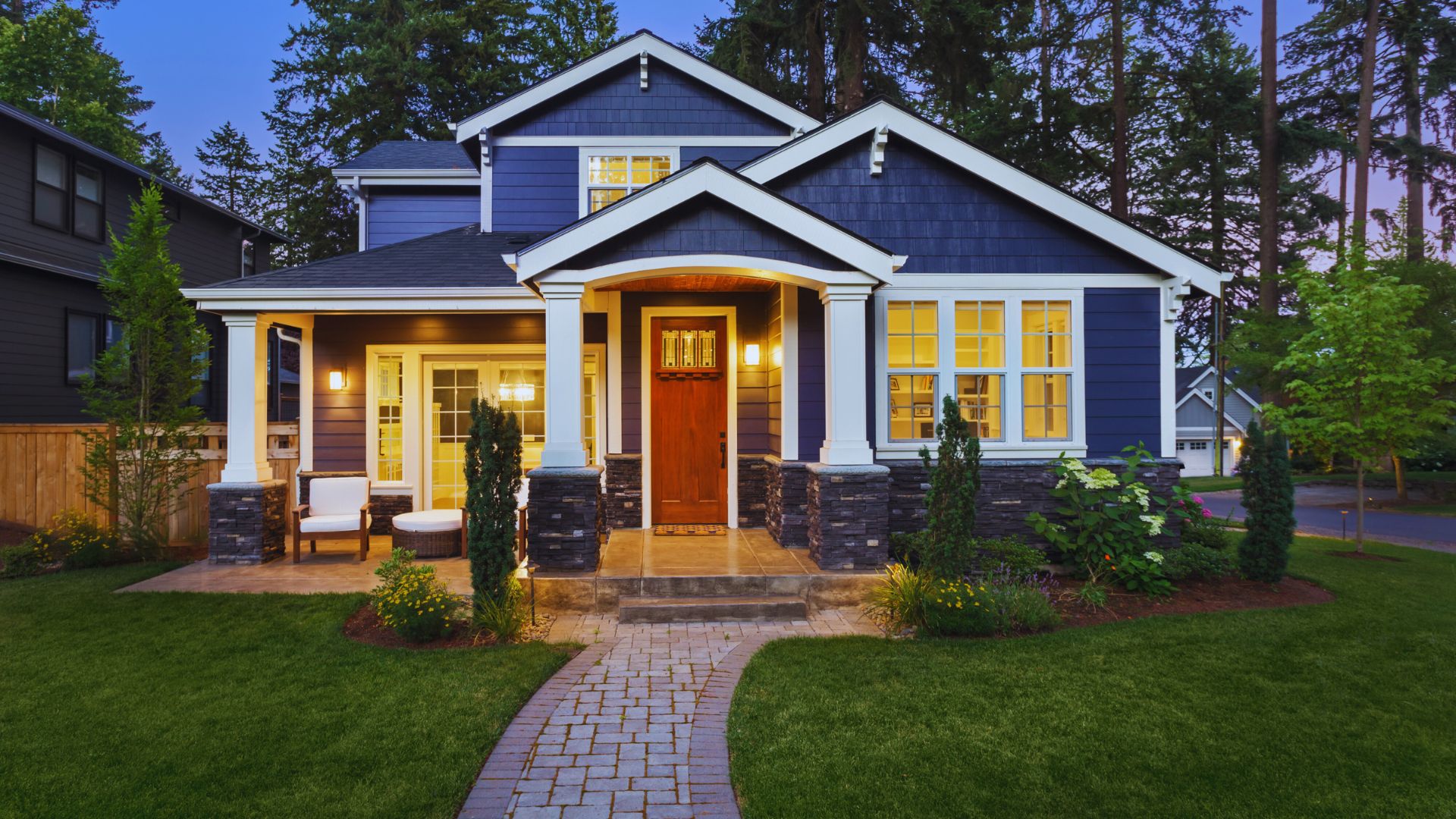
Once you own the home, property taxes become an annual expense. Municipalities set their own rates, which range widely from about 0.3% to 2.5% of a property’s assessed value. Low-Rate Example: Some Alberta cities levy rates under 0.5%. High-Rate Example: Cities in Ontario and parts of Atlantic Canada can exceed 1.5% to 2% annually. Why It Matters: A difference of 1% in property tax on a $600,000 home equals $6,000 per year. Have questions about property taxes? Learn more here: Are Real Estate Taxes and Property Taxes the Same? What Do You Get in Exchange for Your Property Taxes in Canada? Understanding Property Taxes in Canada Property Taxes and Title Searches Should You Pay Property Taxes Through Your Mortgage? A Guide to NB Property Tax
GST and HST on New Homes
Newly built homes are subject to Goods and Services Tax (GST) or Harmonized Sales Tax (HST), depending on the province. Full GST/HST: Applies to the sale price of a brand-new home, but not usually on resale homes. Rebates: The federal government offers GST rebates for new homes under a certain price threshold. Some provinces also offer HST rebates. Builder Practices: Many builders include GST/HST in the advertised price, but always confirm.
Other Taxes and Adjustments
Utility Adjustments: You may need to reimburse the seller for prepaid utilities or property taxes. Speculation and Vacancy Taxes: In provinces like British Columbia, certain properties may be subject to speculation or vacancy taxes if they are not occupied. Foreign Buyer Taxes: Some provinces, including British Columbia and Ontario, impose additional taxes on non-resident buyers.
Example of Taxes on a $700,000 Home in Ontario (Toronto)
| Tax Type | Estimated Cost | Notes |
|---|---|---|
| Ontario LTT | ~$10,475 | Based on provincial tiered rates |
| Toronto MLTT | ~$10,475 | Same structure as Ontario, effectively doubling |
| Annual Property Tax | ~$7,000 (1%) | Depends on municipal rate |
| GST/HST | $0 | Not applicable on resale homes |
Total taxes in year one: approximately $28,000 on top of the purchase price.
Why Buyers Need to Plan for Taxes
Taxes can be one of the most underestimated costs of buying a home in Canada. They not only increase the upfront cost of purchasing but also impact long-term affordability through property taxes. Buyers who understand and plan for these taxes from the beginning are far less likely to face budget shortfalls at closing.
Incentives and Credits for Buyers
The Canadian government offers several programs designed to make homeownership more affordable. These incentives reduce upfront costs, provide tax savings, or help buyers save more efficiently for their down payment.
First Home Savings Account (FHSA)
The FHSA is one of the newest tools available to buyers. Contributions: Up to $8,000 annually, with a lifetime limit of $40,000. Tax Advantages: Contributions are tax-deductible, similar to an RRSP, and withdrawals for a qualifying home purchase are tax-free, similar to a TFSA. Best Use: Combine with other incentives for maximum benefit.
Home Buyers’ Plan (HBP)
The HBP lets you access your Registered Retirement Savings Plan (RRSP) for a down payment. Withdrawal Limit: Up to $60,000 per person. Couples can pool their limits for $120,000. Repayment: Must be repaid into your RRSP over 15 years, starting the second year after withdrawal. Tip: Missing repayments will count as taxable income.
First-Time Home Buyer Tax Credit (HBTC)
The HBTC provides a non-refundable tax credit to offset closing costs. Value: $1,500 (based on the 15% federal tax rate applied to a $10,000 credit). Eligibility: Available to buyers who did not own a home in the previous four years.
GST/HST New Housing Rebate
When buying a new build, you may be eligible for a rebate on part of the GST or HST paid. Federal Rebate: 36% of the GST portion on homes priced up to $350,000, phasing out up to $450,000. Provincial Rebates: Some provinces, such as Ontario, offer additional HST rebates. Builder Practices: Many builders apply the rebate directly, so confirm whether the advertised price already includes it.
Comparing Buyer Incentives
How to Maximize Incentives
Many buyers qualify for more than one program. For example, you could use FHSA contributions, withdraw from your RRSP through the HBP, and claim the First-Time Home Buyer Tax Credit, all on the same purchase. Coordinating these programs can significantly reduce the amount you need upfront. Learn more Financial Planning Tips for First-Time Home Buyers.
Alternatives to a Primary Residence
Not every buyer in Canada is looking for a home to live in full-time. Investment properties, secondary homes, and vacation cottages all come with different financing rules and costs. Lenders and governments apply stricter requirements to these purchases compared to primary residences.
Buying an Investment Property
Investment properties are considered higher risk because rental income can fluctuate, and vacancies may occur. Minimum Down Payment: At least 20% of the purchase price, regardless of whether it is a condo, duplex, or detached home. Debt Ratios: Lenders often apply stricter Gross Debt Service and Total Debt Service ratios. Some will only use a portion of the expected rental income when calculating eligibility. Insurance: Mortgage loan insurance from CMHC is not available for investment properties with more than one rental unit. Key Question: What is the mortgage rule for an investment property? In most cases, it is the 20% down payment requirement, plus tighter debt qualification rules.
Buying a Vacation or Secondary Home
Secondary homes, such as cottages or vacation properties, have more flexible rules than investment properties. Down Payment: Can be as low as 5% if the property is intended for personal use and meets lender guidelines. Location Rules: Remote cottages without year-round access may require larger down payments or private financing. Insurance and Upkeep: Premiums are higher for seasonal or unoccupied homes, and lenders may require additional coverage.
Financing Rules Compared
| Program | Column 2 | Column 3 |
|---|---|---|
| First Home Savings Account (FHSA) | $40,000 tax-sheltered | Contributions only, must be used for a first home |
| Home Buyers’ Plan (HBP) | 60,000 per person | Funds must be repaid over 15 years |
| First-Time Home Buyer Tax Credit | $1,500 | Available once per household |
| GST/HST New Housing Rebate | 36% of the GST portion | Applies to new builds only |
Why These Rules Exist
Lenders and regulators want to limit risk in the housing market. A buyer who loses their job is more likely to sell or default on an investment property before their primary home. By requiring larger down payments and applying stricter debt rules, lenders reduce their exposure to defaults.
Key Takeaway for Alternatives
If you are buying anything other than a primary residence, expect to put more money down, face tighter qualification standards, and pay higher ongoing costs. These purchases can still be rewarding, but they demand careful budgeting and realistic expectations about income and expenses.
Foreign Buyers and Temporary Residents
Canada has long been a popular destination for international investors and newcomers, but rules have tightened in recent years. Buyers who are not Canadian citizens or permanent residents must work their way through additional restrictions, taxes, and financing hurdles.
Federal Restrictions on Foreign Buyers
In 2023, the federal government introduced a temporary prohibition on non-Canadians purchasing residential property in certain markets. Duration: Originally set for two years, the ban has been extended to 2027. Exemptions: Foreign students, temporary workers meeting specific criteria, and individuals buying property with a Canadian spouse or common-law partner may be exempt. Scope: Applies to residential properties in larger urban centres. Rural, recreational, and commercial properties are generally unaffected. This policy was designed to cool housing demand in high-pressure markets.
Provincial and Municipal Foreign Buyer Taxes
Even where federal restrictions do not apply, foreign buyers may face extra taxes. British Columbia: A 20% foreign buyer tax applies in Metro Vancouver, Victoria, and other designated regions. Ontario: Applies a 25% Non-Resident Speculation Tax (NRST) on purchases in most regions of the province. Other Provinces: Some provinces do not levy foreign buyer taxes, but local rules may change quickly. These taxes are paid on closing and cannot be financed through a mortgage.
Financing for Foreign Buyers
Securing a mortgage as a non-resident is more complicated. Down Payment: Most lenders require at least 35% down from non-residents. Documentation: Buyers must provide proof of income, credit reports, and banking history from their home country. Lender Selection: Some major banks have specialized programs for newcomers and non-residents, but options are more limited than for Canadian citizens or permanent residents.
Temporary Residents
Temporary residents, such as international students or work permit holders, face different rules. Down Payment: Often 10% to 20% depending on the lender and residency status. Proof of Status: A valid study permit, work permit, or employment contract is required. Future Planning: Lenders may adjust terms if you transition from temporary to permanent residency.
Key Considerations for Foreign and Temporary Buyers
- Expect higher down payment requirements and limited financing options.
- Budget for additional taxes in Ontario and British Columbia.
- Always confirm your eligibility before signing an offer, since federal restrictions may apply.
Next Steps for Canadian Buyers
Buying a home in Canada can feel overwhelming at first, but when you break it down into steps, the process becomes far more manageable. Start with a clear budget and savings plan, get pre-approved, and compare your financing options carefully. Pay attention to provincial and municipal rules, since taxes and fees can differ by thousands of dollars depending on where you buy. Before making an offer, line up your professional support team: a licensed real estate professional, a mortgage broker or banker, and a real estate lawyer. Each plays a critical role in making sure the transaction closes smoothly and legally. Use the incentives available to you, whether that means opening a First Home Savings Account, tapping into your RRSP with the Home Buyers’ Plan, or applying for rebates and tax credits. These programs exist to help make ownership more affordable, especially for first-time buyers. Above all, give yourself time to prepare. A strong deposit, a healthy down payment, and a clear understanding of closing costs will put you in a better position to secure financing and move forward with confidence. When you are ready, explore the guides and resources on the REMAX blog for in-depth advice tailored to Canadian buyers. The right preparation today makes your first set of keys tomorrow that much easier to reach.
After You Move In
The purchase may be complete, but a few final steps help you settle smoothly:
- Transfer utilities and set up internet, cable, and waste collection
- Update your address with banks, employers, and government agencies
- Review your home insurance to ensure full coverage
- Schedule a post-move inspection for any outstanding repairs
- Start a maintenance checklist and set reminders for seasonal tasks
Staying organized from day one protects your investment and keeps small issues from turning into big repairs later.
Frequently Asked Questions About Buying a Home in Canada
Still have questions after reading the guide? Here are quick answers to the most common ones from Canadian buyers.
What Is the Difference Between a Deposit and a Down Payment?
A deposit is the money you provide with your offer or within 24 hours of acceptance. It is held in trust by the brokerage and applied to your down payment on closing day. A down payment is the total portion of the purchase price you pay upfront at closing, combined with your mortgage to cover the full purchase price.
What Is the Mortgage Rule for an Investment Property?
Investment properties require a minimum 20% down payment. Lenders also apply stricter debt service ratios and, in many cases, will only include a portion of expected rental income when calculating how much you qualify to borrow. Mortgage insurance from CMHC is generally not available for multi-unit rental properties.
Do You Need a Real Estate Lawyer in Canada?
Yes. A lawyer is required to close every residential real estate transaction in Canada. They ensure the property has clear title, register the mortgage, calculate closing adjustments, and transfer funds securely. Without a lawyer, you cannot take ownership of the property.
How Much Are Closing Costs?
Closing costs usually range between 3% and 5% of the purchase price. These include legal fees, title insurance, home inspection, appraisal, and land transfer taxes. In Toronto, the double land transfer tax makes closing costs considerably higher than elsewhere in the country.
Are Property Taxes the Same Across Canada?
No. Property taxes vary by municipality. Some cities in Alberta have rates as low as 0.3%, while others in Ontario and Atlantic Canada exceed 1.5% to 2% of assessed value. On a $600,000 home, that difference could mean anywhere from $1,800 to $12,000 per year.
Do You Pay GST or HST When Buying a Home?
GST or HST applies only to newly built homes and some substantially renovated homes. Most resale homes are exempt. The federal government and some provinces offer rebates on the GST/HST portion for new homes under certain price thresholds.
Is It Better to Use a Bank or a Mortgage Broker?
Banks can only offer their own mortgage products, while mortgage brokers shop across multiple lenders. A broker may find more flexible options if you are self-employed, relying on rental income, or using a gifted down payment. A bank may be better if you want to bundle accounts and loans in one place. The best choice depends on your financial situation.
Can Temporary Residents Buy a Home in Canada?
Yes, but with restrictions. Temporary residents, such as work permit holders or international students, typically need a larger down payment and must show proof of valid residency status. Financing options are more limited than for permanent residents or citizens. Ready to start your home search? Find a REMAX agent near you for expert local guidance.When you’re ready to start shopping for your new home, REMAX is here to support your big move.