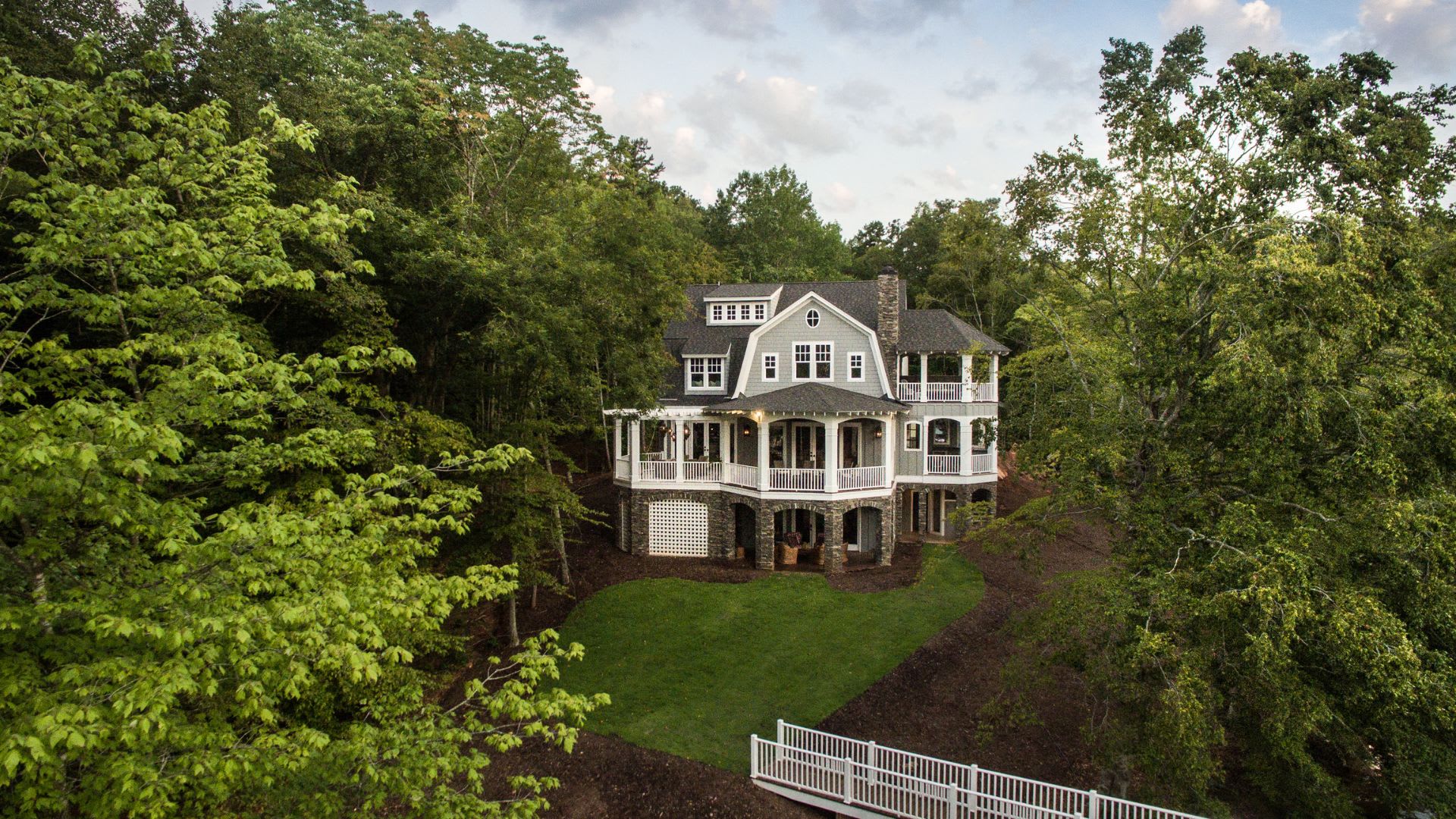
Multigenerational homes are not new to Canada or the Canadian lifestyle, but they’re becoming a lot more popular. With all the trends that come and go in real estate, you may be wondering if this is a fad or if it marks a real shift in the type of homes Canadians are buying and how they’re choosing to live.
What Are Multigenerational Homes?
At their core, multigenerational homes are properties that are designed to accommodate several generations of the same family. They might have been built for this purpose or renovated later on to add separate living spaces.
A multigenerational home is different from a large home with a lot of bedrooms and bathrooms; they’re designed to give different sub-units of the family privacy and independence while enjoying the benefits of living under the same roof. This type of home might have:
- A basement or second-floor apartment with its own entrance, kitchen, and bathroom.
- A separate living area within the main home, where some rooms are shared with other family units.
- A garden suite or laneway home that offers independent living on the same property, potentially with shared amenities.
In multigenerational homes, everyone has their own spaces, but they share an address.
Why Is Multigenerational Living Popular?
Multigenerational living is here to stay. There are a lot of great reasons for this.
Greater Affordability
Houses aren’t getting cheaper. In high-demand areas like Vancouver and Toronto, and even in smaller centres, the cost of buying and renting has skyrocketed. It makes sense to a lot of people to pool their resources with other family members and buy one larger multigenerational home.
Lower Childcare Costs
Multigenerational homes bring children and grandparents together under the same roof, saving on the expense of childcare and spreading out the responsibilities. Children get extra time with their grandparents, and the grandparents get the joy of being involved in their grandchildren’s daily lives. It’s a win-win.
Caring for Aging Parents
Canada’s population is aging; in the coming decades, more people will be in the part of their lives where they need extra help but aren’t ready for long-term care. A multigenerational home allows parents to age in place, giving them enhanced quality of life and making it easier for their adult children and grandchildren to support them.
Cultural Traditions
For many Canadian families, multigenerational living is the norm, having been carried over from their countries of origin, sometimes many generations ago. As Canada becomes increasingly diverse, we may see these cultural standards shift the housing market further toward this lifestyle.
What Is the Multigenerational Home Tax Credit?
The Canadian government has recognized the shift toward multigenerational living and the benefits for Canadian families. The multigenerational home tax credit (also called the Multi Generational Home Renovation Tax Credit or MHRTC) was introduced in the 2023 federal budget. Its purpose is to help homeowners with the cost of adding a self-contained secondary unit for a qualifying family member.
How Does the Multigenerational Home Tax Credit Work?
The MHRTC is a refundable tax credit that allows homeowners to claim 15% of up to $50,000 in eligible renovation expenses. This means that they could receive up to $7,500 in tax credits. As a refundable credit, the homeowner can receive the entire amount even if no income is owed.
To claim this credit, the renovations must be for the creation of a self-contained secondary unit. However, this doesn’t mean it has to be created from scratch. For example, if you already have a second kitchen and bathroom in the basement, you may just need to add a separate entrance. Qualifying renovations could also include bringing an existing secondary suite up to the local building codes or adding accessibility features if the secondary suite is for a person with a disability. (Note that you can also use the Home Accessibility Tax Credit for this purpose; consult a tax adviser for the best way to use these tax credits for your renovation).
Who Is a “Qualifying Family Member”?
To claim the multi generational home tax credit, the secondary suite must be for a qualifying individual. This could be:
- A senior (65 years of age or older).
- An adult with a disability (eligible for the Disability Tax Credit).
The qualifying individual also has to be either:
- You or your spouse/common law partner.
- You or your spouse/partner’s parent, grandparent, child, grandchild, brother, sister, aunt, uncle, niece, or nephew.
How to Apply for the Multigenerational Home Tax Credit
Apply for the credit on your annual income tax on line 45355. You must claim it in the year the renovation was completed (i.e. you can’t carry it over to the subsequent year). Make sure you keep all your receipts, permits, and documentation; the CRA will ask for proof that the work was done and meets the requirements.
Multigenerational Home Design That Works for Everyone
Whether you’re shopping for a multigenerational home or renovating your current home to create the secondary suite, these tips will help you create a space that’s ideal for your family.
Privacy Is Non-Negotiable
Successful multigenerational living strikes a balance between togetherness and independence. Separate spaces allow everyone to come and go without walking through other people’s living areas. Soundproofing between levels is essential to making sure everyone can enjoy their spaces without having to worry about disturbing others.
Prioritizing Accessibility
If your multigenerational home will accommodate aging parents or grandparents, do careful research into accessibility features. For example, main floor suites eliminate the problem of getting up and down stairs, wider doorways can accommodate wheelchairs more easily, and walk-in showers are safer than regular bathtubs. These features may seem excessive when you’re first creating your secondary suite, but you’ll be grateful for them down the line.
What Does Multigenerational Living Mean for the Real Estate Market?
Real estate developers and builders are also noticing the shift toward multigenerational homes. Some of the changes we’re seeing across Canada are:
- New builds being offered with legal secondary suites as options.
- Homes being marketed specifically for multi-generational living.
- Floor plans designed with main floor in-law suites already in place.
- Zoning changes in municipalities to accommodate secondary dwellings or even three separate living units on the same property.
There is a genuine, sustained demand for multigenerational homes. This shift is due to financial benefits, changing demographics, and the normalization of the multigenerational lifestyle. Whether you’re buying, investing, or selling, this shift is one to pay attention to!