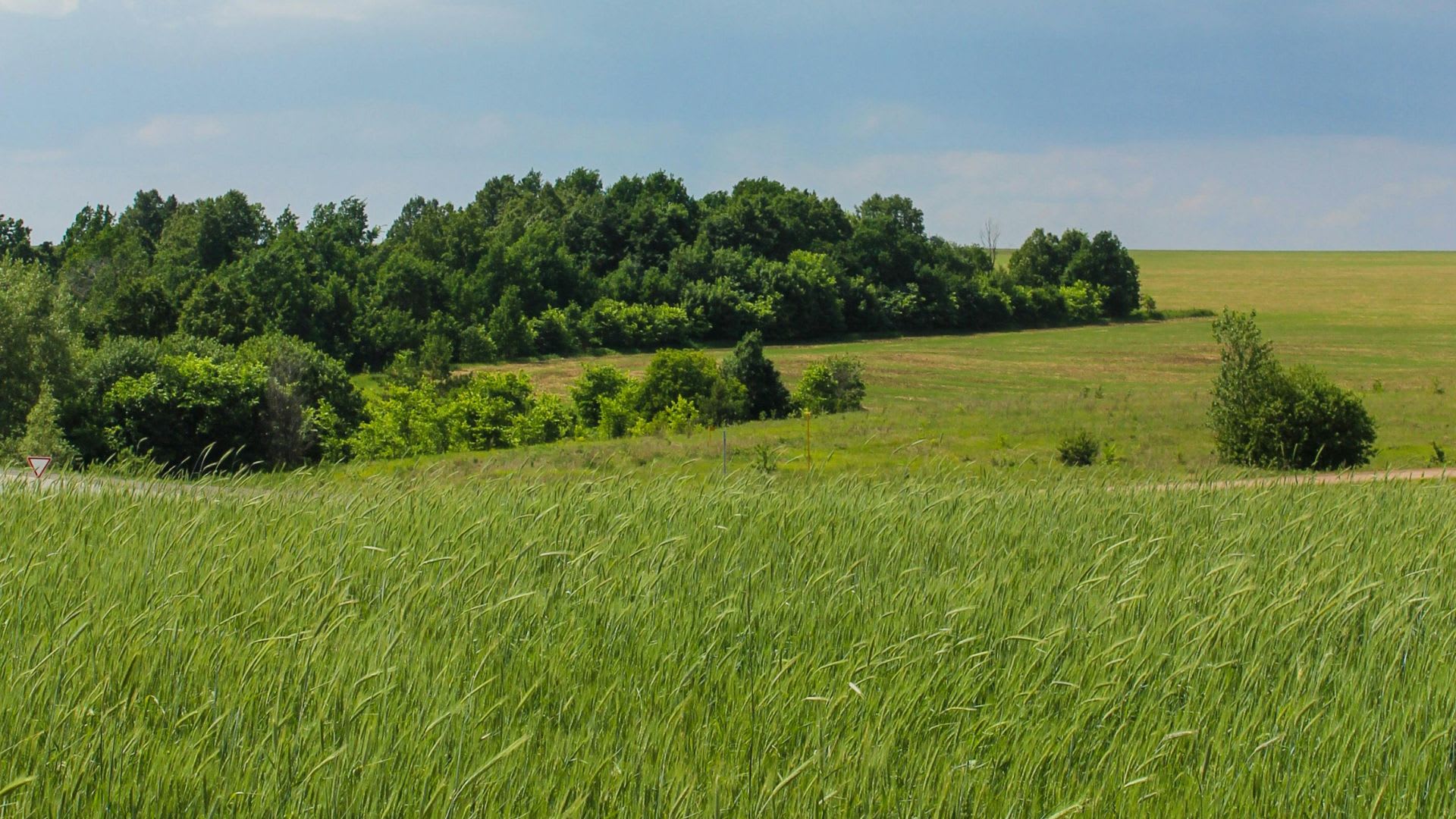
If you are hunting for the cheapest land to buy in Canada, you are almost always looking at rural areas, small towns, and the Prairie or Atlantic provinces instead of places near big cities. Prices like $2,000 to $4,500 per acre can feel unreal if you are used to city housing costs, but cheap land almost always comes with tradeoffs. You may be far from jobs and services, face higher building costs, and deal with rules that limit what you can actually do with the property. It also matters whether you want to live there full-time, farm, build a cabin, or just hold the land as an investment. We walk you through where land tends to be cheapest, what those ultra-low prices really include, and the basic checks you should do before you decide to buy cheap land in a part of the country you do not know well yet.
Where is land usually the cheapest in Canada?
Across the country, the lowest average prices per acre are usually found in the Prairie provinces and parts of the Atlantic region. The Prairies offer large stretches of farmland and open rural land where the cost per acre is still relatively low compared with more crowded provinces. Atlantic areas can be attractive too, especially if you like the idea of a slower pace of life or living closer to the ocean. On the other hand, if you try to buy land in Ontario near larger cities or popular cottage regions, prices jump quickly. The same is true when you look at buying land in BC close to the Lower Mainland or on the more famous islands, where strong demand keeps both house and land prices well above national averages.
Saskatchewan: The Lowest Average Land Prices
This province often sits at the top of lists when people talk about where land is most affordable. Average farmland prices per acre are still among the lowest in the country in many regions, especially once you move away from fast-growing areas around big service centres. For people who want space, it can be realistic to buy quarter sections or multiple small parcels and end up with enough land for hobby farming, grazing animals, or just privacy and a big sky. The flip side is that many of these properties are far from major hospitals, universities, and large shopping hubs. Winter lasts a long time, and the cost of getting building materials and tradespeople out to a remote site can be higher than you expect, so the low sticker price on the land is only part of the full picture.
Manitoba: Affordable Land Plus Town Incentives
This province is another strong option if you want relatively low land prices, along with property taxes and utilities that are often still manageable. In many rural zones, land values in the $2,000 to $4,000 per acre range are common. Some small towns also run special programs that sell serviced or semi-serviced lots at very low upfront prices to attract new residents. These incentives sometimes offer residential lots for just a few dollars plus a deposit, but they come with rules. You may need to start building within a set time, follow design standards, and prove you have financing. If you do not meet the conditions, you can lose your deposit or the right to keep the lot. Before you jump at a deal that sounds too good to be true, talk directly with the municipal office, read all of the bylaws, and ask what happens if your plans are delayed.
New Brunswick and the Atlantic Option
On the East Coast, this province often offers some of the best value for people who want a mix of rural land, small towns, and access to the ocean or rivers. You can still find acreage that costs less than many inland regions of other provinces, especially in more remote or heavily forested areas. Some buyers look for smaller lots on the edge of a village that still has a school, grocery store, and basic health care, so daily life is easier. The climate can be milder than in the deep Prairies, but you should also think about storms, older buildings and roads, and potential coastal risks. If you are drawn to cheap land near shorelines, it is a good idea to check local flood maps, insurance rules, and any restrictions on building too close to the water.
Ultra Cheap 1 to 10 Dollar Lots and What to Watch For
Land that costs only 1 to 10 dollars sounds amazing and does exist in some Canadian towns, but it is not a shortcut to a free house. These offers are usually town programs that require a deposit, a house plan, and construction within a set time, so the real expense is still the cost of building plus services like water, sewer or septic, and power, not the cheap lot itself.
Hidden Costs That Come with Cheap Land
The cheapest rural land is often unserviced, so you may need to drill a well, install a septic system, and pay to extend power, which can all cost thousands or tens of thousands of dollars. Road access, property taxes, and extra local fees can also add up, so it is wise to call the municipal office, ask about typical yearly costs, and include them in your budget before you buy cheap land far from where you live now.
Who Cheap Canadian Land is Best for and How to Find It
The people who benefit most from the cheapest rural land are flexible, open to smaller communities, and willing to live with longer drives and fewer services, whether they are homesteaders, animal owners, or remote workers. Some buyers might want to buy land in the Edmonton outskirts to balance lower land prices with access to jobs and services. Others look to buy land in Yukon for its scenery and remote lifestyle. Land there is often more limited and can be more tightly controlled than in the Prairies. Buyers can use real estate sites, municipal programs, and local farm and acreage agents to find the right fit.
Ready to find your own piece of affordable land in Canada? Connect with a local REMAX agent today for expert help with rural listings, town incentive programs, and step-by-step guidance through the buying process.