

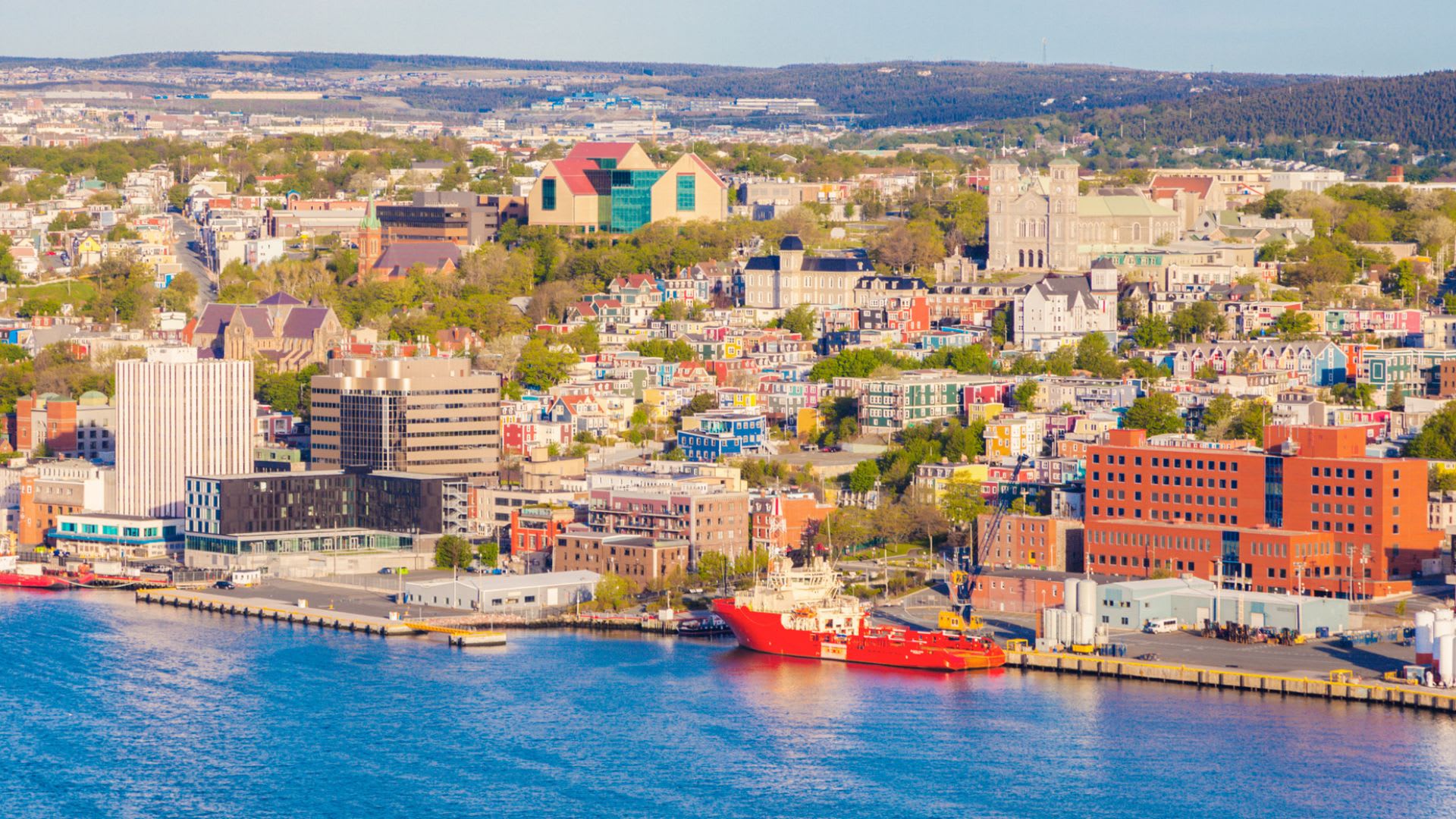
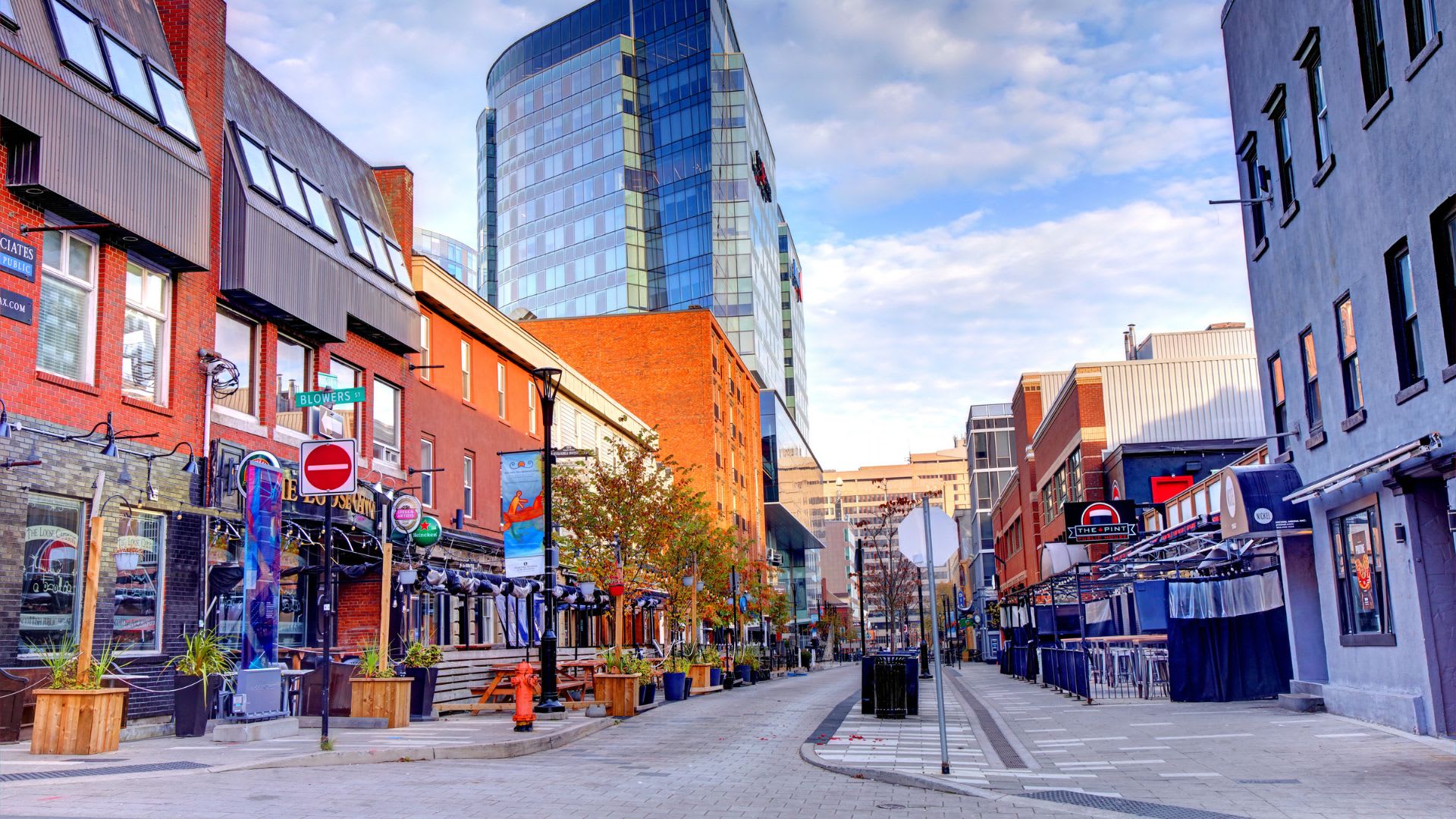


Early signs of recovery have taken hold in the Greater Vancouver commercial real estate market, as leasing momentum increased, investor appetite for cash-flow assets strengthened and lower risk asset classes drew renewed investor interest.

Return-to-office and expansion buoy leasing activity

Office leasing activity improved through 2025 and into early 2026 as return‑to‑office mandates and selective corporate expansions brought more tenants back into the market. Metro Vancouver’s overall office vacancy was sitting in the mid‑11-per-cent range at the end of 2025, with downtown vacancy at approximately 12.8 per cent—the highest in more than two decades but showing signs of plateauing. Suburban office markets remained somewhat tighter, with vacancy closer to the 10-per-cent range and modest quarter‑over‑quarter movement.

Within that broader picture, there is a clear bifurcation in performance. Premium A/AAA assets continued to outperform, posting materially lower vacancy than older B and C stock as tenants gravitated toward higher‑quality, amenity‑rich space in prime locations. Older and functionally challenged buildings bore the brunt of the softness, with vacancy in some lower‑tier segments reaching the high‑teens.

Early 2026 indicators pointed to a gradual firming in demand rather than a rapid rebound. Gross leasing activity has increased compared to the prior year, and market forecasts now call for downtown vacancy to edge down from its late‑2025 peak of 12.8 per cent to roughly 12.3 per cent over the course of 2026 as existing vacant space is slowly absorbed. Asking rents stabilized in the back half of 2025 after a period of softening and are expected to remain generally firm for well‑located, high‑quality assets, while landlords in weaker properties continue to rely on inducements and flexibility to compete.

National market continues to evolve

REMAX Canada’s national 2026 Commercial Real Estate Report examined first-quarter activity across 12 major Canadian markets and found that the commercial property market has continued to evolve with improved absorption, particularly in the office sector, where return-to-office mandates are supporting increased leasing activity in premium space. Industrial demand has remained durable nationwide, with inventory challenges persisting. Retail fundamentals have continued to outperform expectations, supported by population growth and infrastructure investment, reinforcing long-term demand. While capital deployment has been measured in most markets analyzed, improving financial conditions have prompted renewed interest in well-located, income-producing assets.

Absorption may bring Vancouver’s industrial inventory levels down

The industrial asset class continues to work through the excessive supply of inventory that has come to market in 2023 and 2024, with vacancy levels sitting at an estimated 4.3 per cent at present, up considerably over sub-one-per-cent levels recorded in peak pandemic years. The introduction of new space to the market has pushed lease rates lower, now sitting at $17 per square foot. With at least a dozen large-format properties over 100,000 sq. ft. currently under contract or in offer negotiations, there is the prospect of supply being cut in half by mid-2026. If that occurs, it will mark a turning point for rents and leverage in both Metro Vancouver and Fraser Valley’s logistics corridors.

Play-safe strategies are dominating the market at present, with the greatest demand existing for well-leased office and stabilized multi-family, followed by necessity-based retail and multi-tenant industrial. Risk-averse investors are staying away from vacant land speculation and higher risk, add value plays that are extremely difficult to finance in today’s economic environment.

The current oversupply in condominium inventory has shaken the industry, at a time when the province is pressing municipalities to develop more affordable housing. Dead air exists on vacant land and prospective development at present. Developers are not selling and those that do will slow-play the release of inventory, doing only as much as they need to do, to protect their assets.

Window of relief temporary with little supply in the pipeline

While recalibration defined multi-family residential last year, 2026 has laid the groundwork for a healthier housing market.

Following the unprecedented wave of new purpose-built rental completions, vacancy rates in the city rose to 3.7 per cent in 2025, according to Canada Mortgage and Housing Corp.’s 2025 Rental Market Report, marking a substantial increase from 1.6 per cent in 2024 and representing the highest level in three decades. While greater choice and negotiating power have characterized market conditions in the near term, the window of relief is expected to be temporary.

With little new product currently in the development pipeline, ongoing population growth and sustained rental demand are poised to quickly absorb existing inventory. Between 2021 and 2025, the Vancouver CMA grew by 11.4 per cent, breaking through the three million threshold, according to Statistics Canada: Population Estimates July 1, 2025 by Census Metropolitan Area and Census Agglomeration. While immigration has slowed for the time being, population is still set to grow at an average of 42,500 new residents annually, reaching 4.1 million by 2050. As a result, the rent market is expected to tighten once again, reinforcing the long-term strength and resilience of the multi-family asset class. Even if developers’ shovels hit the ground as the market turns, it will be years before new inventories come on-stream.

Persistent global and domestic economic pressures have tempered sentiment in the Greater Vancouver Area, but the commercial market is holding steady rather than retreating. Capital preservation remains the prevailing strategy, with investors favouring stabilized, income-producing assets and avoiding higher-risk development plays. Yet beneath the surface, conditions are quietly tightening. With limited new supply in the pipeline and population growth continuing to build, pressure is expected to mount on both rental and development-ready land by late 2026 into 2027. As confidence returns and opportunities become more compelling, sidelined capital is expected to start re-entering the market, particularly for well-located, fundamentally sound assets. The next phase of the cycle will favour those prepared to act as the window shifts from hesitation to measured opportunity.

Share This Story, Choose Your Platform!

Find the Right Agent

Sign up For Our Newsletter

This field is for validation purposes and should be left unchanged.
This field is hidden when viewing the form

Next Steps: Sync an Email Add-On

To get the most out of your form, we suggest that you sync this form with an email add-on. To learn more about your email add-on options, visit the following page (https://www.gravityforms.com/the-8-best-email-plugins-for-wordpress-in-2020/). Important: Delete this tip before you publish the form.
Untitled(Required)

*RE/MAX, LLC, 5075 S. Syracuse St., Denver CO, 80237; RE/MAX Western Canada and RE/MAX Ontario-Atlantic, 639 Queen Street West, Toronto, ON M5V 2B7, 905-542-2400