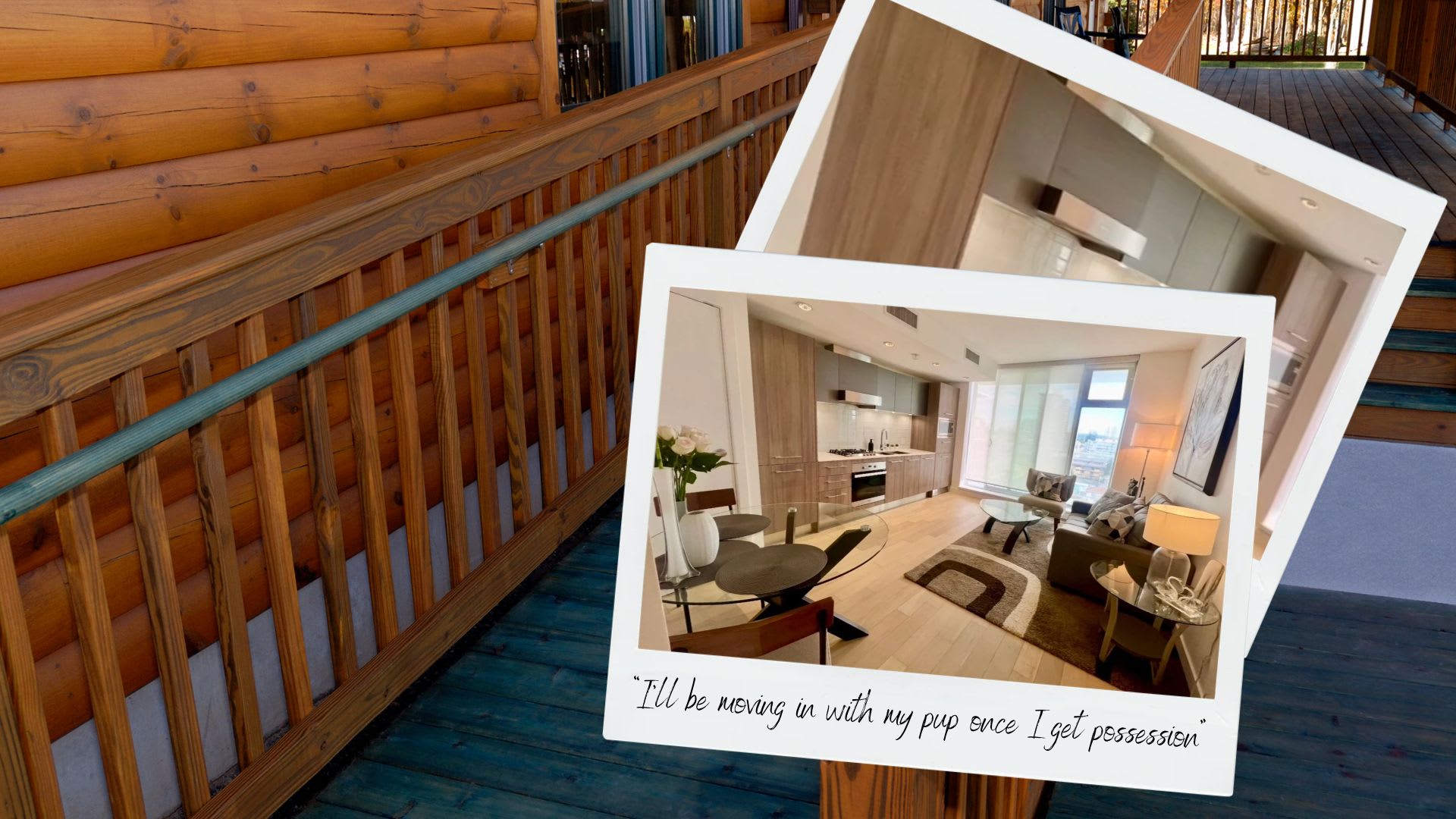
A lower mortgage payment can make a real difference once you are actually living in the home. It can mean more room for daycare, groceries, repairs, savings or the surprise expenses that always seem to show up after closing. That is where the 25 vs 30 year mortgage choice starts to matter.
The decision is really about how much you want to commit to the mortgage each month. A 25-year schedule asks more from your budget now, while 30 years gives you more room to adjust if other expenses come up. The right choice depends on how much flexibility you want to keep after you buy.
Key Takeaways
- A 30-year amortization lowers the required monthly payment, which can leave more room for savings, repairs and other household costs.
- A 25-year mortgage builds equity faster because more of each payment goes toward reducing the balance sooner.
- A 30-year amortization can leave you carrying more debt into renewal, which matters if mortgage rates are higher when your term ends.
- A 30-year amortization may increase borrowing room, but qualifying for a larger mortgage is not the same as being able to carry it comfortably.
- Eligibility for a 30-year amortization in Canada depends on your down payment and mortgage type, and insured borrowers may also face higher mortgage-insurance costs.
What Changes Between a 25-Year and 30-Year Mortgage?
Stretching a mortgage from 25 to 30 years lowers the required monthly payment, but that extra flexibility has a cost. You repay the principal more slowly, carry a larger balance for longer and generally pay more interest. The longer amortization can also affect how much mortgage you qualify for.
Monthly Payments and Total Interest
On a $500,000 mortgage at 4.5 per cent, a 25-year amortization works out to about $2,767 a month, while 30 years lowers the payment to about $2,521. That is roughly $246 more room in the monthly budget. If the same 4.5 per cent rate applied throughout the full amortization, the 25-year mortgage would generate about $330,000 in interest compared with roughly $407,600 over 30 years. Treat those lifetime figures as an illustration rather than a forecast, since most borrowers will renew several times and future mortgage rates are unknown.
Equity and Your Balance at Renewal
The lower payment on a 30-year mortgage means less principal is repaid in the early years. After five years, the $500,000 example leaves a balance of about $439,000 with a 25-year amortization and roughly $455,500 with a 30-year amortization. That $16,500 gap represents less principal paid down, which means more debt to carry into your next term. If rates are higher when you renew, the borrower who chose 30 years has a larger balance exposed to the new rate.
25-Year vs. 30-Year Mortgage on $500,000 at 4.5%
How the monthly payment, equity and interest compare on the same mortgage in Canada.
| Measure | 25-year | 30-year | Difference |
|---|---|---|---|
| Monthly payment | $2,767 | $2,521 | $246 less per month |
| Principal paid in first 5 years | $61,000 | $44,500 | $16,500 less paid down |
| Balance after 5 years | $439,000 | $455,500 | $16,500 more owing |
| Interest over full amortization* | $330,000 | $407,600 | $77,600 more interest |
Illustration only, using Canadian semi-annual compounding and monthly payments. *Assumes the 4.5 per cent rate holds for the full amortization, which is unlikely since most borrowers renew several times. Excludes mortgage default insurance premiums.
Mortgage Qualification vs. Affordability
A 30-year amortization lowers the payment used to calculate mortgage affordability and may increase the amount some buyers can qualify for. You still need to satisfy your lender’s debt-service requirements and the mortgage stress test, so the longer amortization does not bypass normal qualification rules. There is also an important distinction between qualifying for a larger mortgage and comfortably carrying it. Property taxes, utilities, insurance, maintenance and other debts still come out of the same household budget, so using the extra borrowing room to raise your purchase price can erase much of the monthly flexibility you gained.
25 vs. 30-Year Mortgage Payment Comparison
Move the sliders to compare monthly payments on a 25-year and 30-year amortization in Canada.
25-year payment
$2,767
30-year payment
$2,521
Monthly difference
$246
After five years, the 30-year mortgage leaves about $16,500 more owing at renewal.
Estimates use Canadian semi-annual compounding and monthly payments, and exclude mortgage default insurance premiums. Your lender will confirm your actual payment.
25-Year Mortgage vs. 30-Year Mortgage: How to Choose
The better amortization depends on more than the lowest payment or lowest projected interest cost. Start with the options you qualify for, then consider your cash flow, insurance costs, plans for extra payments and how likely your circumstances are to change before the mortgage is paid off.
Eligibility and Mortgage Insurance Costs
Your down payment affects which amortizations are available. With less than 20 per cent down, insured mortgages can currently extend to 30 years if you are a first-time buyer and/or purchasing a new build, while other insured buyers are generally limited to 25 years. With at least 20 per cent down, the lender sets the maximum amortization it offers. Eligible insured borrowers should also account for mortgage default insurance: CMHC applies a higher premium when the amortization extends beyond 25 years, so compare more than the monthly payment when calculating the cost of the longer option.
Faster Equity Growth With a 25-Year Mortgage
A 25-year amortization can make sense when the higher required payment fits comfortably within your budget. You reduce the principal faster, carry less debt into future renewals and can become mortgage-free five years earlier if you remain on schedule. That may matter more if you want to reduce your debt before retirement, expect your income to fall later or simply prefer to build home equity faster.
More Monthly Flexibility With a 30-Year Mortgage
A 30-year amortization can make sense when the lower required payment gives you useful room for emergency savings, repairs, closing costs or other financial priorities. The key is what you do with that flexibility. If the lower payment simply allows you to stretch to a more expensive home, the financial cushion may disappear. If it leaves money available for savings or irregular expenses, the longer amortization can give you more control over monthly cash flow.
Prepayment Flexibility
A 30-year amortization does not necessarily mean taking 30 years to repay the mortgage. Many contracts allow borrowers to increase regular payments or make lump-sum prepayments without a penalty, which can let you accelerate repayment when your finances allow. Check the limits before relying on this strategy. Closed mortgages can restrict how much you prepay each year, and once you voluntarily increase your regular payment, you may not be able to lower it again until the end of the term.
Your Plans Before the Next Renewal
Think about what could happen during the mortgage term, not just where you expect to be 25 or 30 years from now. You may sell the home, refinance, switch lenders or make a large prepayment well before the amortization ends. Breaking a closed mortgage early can trigger penalties and other fees, while selling after only a few years can make your remaining balance more important than a projected lifetime-interest figure. From a REMAX perspective, how long you expect to stay in the home can matter just as much as the amortization itself. If you think you may move within a few years, look at the mortgage balance you are likely to have when you sell, not just the monthly payment or projected lifetime interest.
Frequently Asked Questions About 25 vs. 30-Year Mortgages
Is a 25-year or 30-year mortgage better?
A 25-year mortgage may be the better choice if the higher payment fits comfortably within your budget and you want to build equity faster. A 30-year amortization lowers the required monthly payment, which can leave more room for savings, repairs or other expenses. The trade-off is that you repay the mortgage more slowly and will generally pay more interest over time.
Can you get a 30-year mortgage in Canada?
Yes. A 30-year amortization is available in some cases, but eligibility depends on your down payment and the type of mortgage. First-time buyers and buyers of newly built homes may qualify for a 30-year insured mortgage, while buyers with at least 20 per cent down may have access to longer amortizations depending on the lender.
Can you pay off a 30-year mortgage in 25 years?
Yes, if your mortgage allows enough extra payments. Many lenders let you increase your regular payment or make lump-sum prepayments, which can help you pay down a 30-year mortgage faster while keeping the lower required payment as a fallback. The limits vary by lender, so check the prepayment rules before relying on this strategy. Going over the allowed amount can trigger a penalty.
Weighing your mortgage options before you buy? A REMAX agent can help you understand what different payments mean for your home search and connect you with a mortgage professional to compare amortizations.